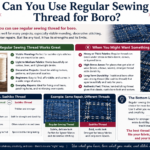
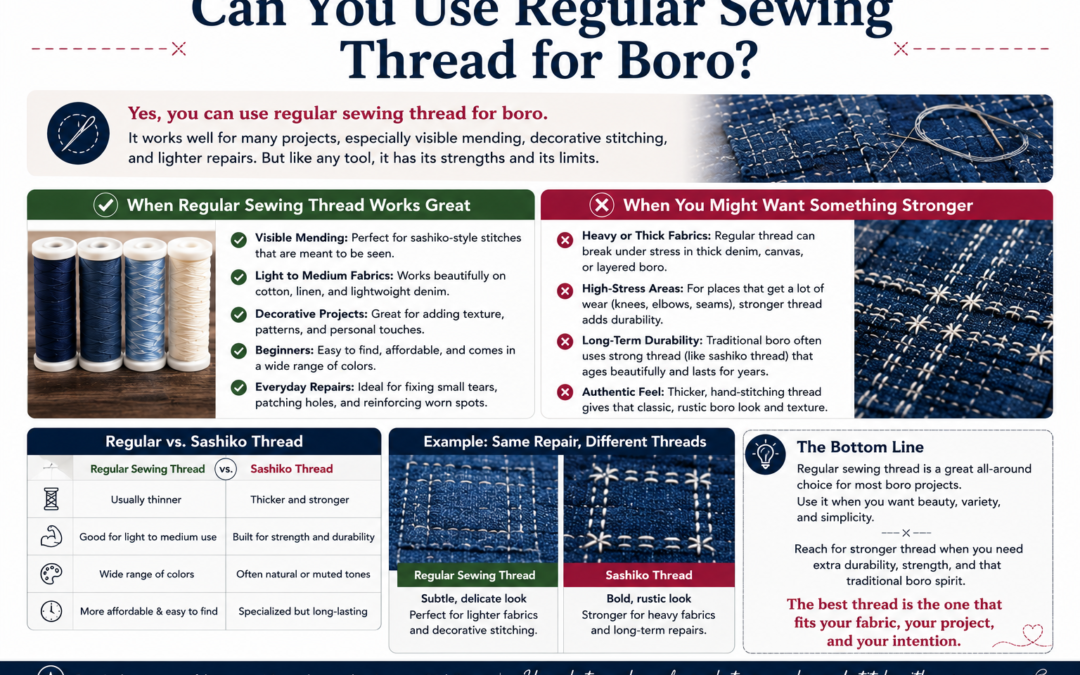
Regular sewing thread can absolutely be used for boro stitching, especially for beginners, lightweight garments, and decorative visible mending. However, the final appearance, durability, stitch texture, and repair lifespan depend heavily on the type of thread, fabric thickness, and intended use. Traditional Japanese boro often used thicker cotton thread because it produced stronger reinforcement and more visible texture across layered fabrics.
What Happens When You Use Regular Sewing Thread for Boro?
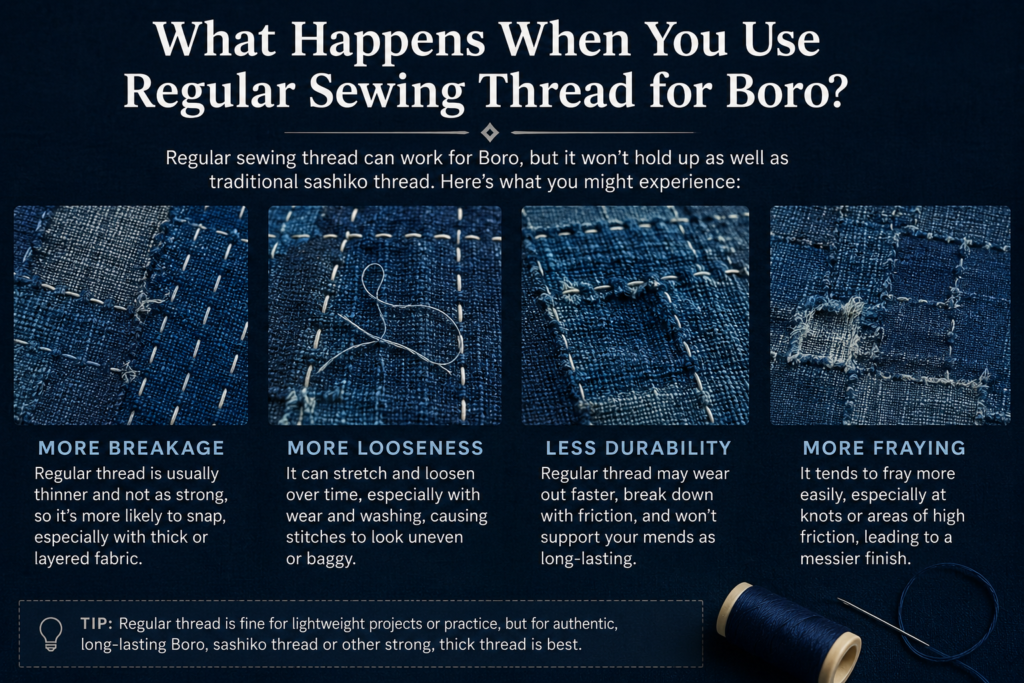
Using regular sewing thread for boro stitching changes both the appearance and performance of the repair. Standard sewing thread is usually thinner, smoother, and tighter twisted than traditional sashiko or visible mending thread. Because of this, the stitches often appear cleaner and less textured on the fabric surface. Some people prefer this subtle appearance, especially for modern minimalist repairs, while others feel it loses the rustic visual identity associated with traditional boro work.
Regular sewing thread still performs well for many projects. Lightweight cotton garments, decorative patches, shirts, and low-stress repairs rarely require extremely thick thread. Beginners also benefit from using accessible materials before investing in specialty sashiko supplies. Many successful visible mending projects are completed entirely with ordinary hand-sewing thread.
The main issue usually appears on heavy fabrics like raw denim, canvas, or multi-layer workwear. Thin thread can sink into the fabric surface and become visually weak after repeated washing or friction.
Regular sewing thread usually works best for:
- Lightweight cotton garments
- Decorative visible mending
- Small reinforcement patches
- Beginner boro practice
- Hidden repairs
- Thin layered fabrics
Common limitations include:
- Reduced visual texture
- Less traditional appearance
- Faster abrasion wear
- Lower stitch visibility
- Weak performance on thick denim
In practical terms, regular sewing thread is usable, but the repair behaves differently from traditional boro stitching created with thicker cotton thread.
Why Traditional Boro Usually Used Thicker Cotton Thread
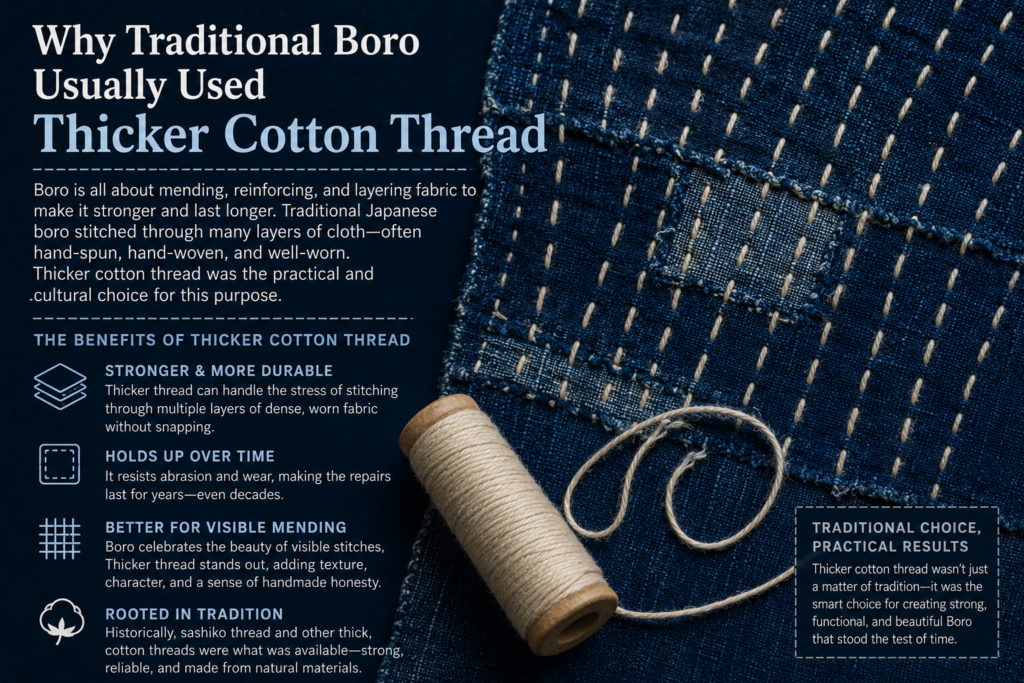
Traditional Japanese boro was built around necessity, durability, and repeated repair. Farmers and laborers reused fabric scraps for decades, layering patches over worn garments until the clothing became heavily reinforced. Thick cotton thread played a major role in this process because it handled friction and movement better than thin thread while remaining flexible enough for daily wear.
Unlike modern machine sewing thread, older cotton thread was softer and less tightly twisted. This created a textured stitched surface that visually integrated into patched garments over time. Repeated washing caused the thread to soften further, helping repairs blend naturally into the fabric instead of looking artificial or shiny.
Thicker thread also distributed tension more evenly across damaged fabric areas. This mattered because traditional garments often contained multiple overlapping patches stitched together repeatedly over many years. Thin thread would have worn down faster under those conditions.
Traditional boro thread characteristics included:
- Soft cotton fibers
- Matte appearance
- Visible stitch texture
- Flexible movement
- Strong layered reinforcement
- Natural aging appearance
Why thicker thread mattered historically:
- Better durability on workwear
- Easier hand stitching through layers
- Improved patch stability
- More visible repair lines
- Reduced fabric tearing
Modern sewing thread is designed primarily for machine efficiency and clean seams. Traditional
Modern Visible Mending Often Uses Different Thread Than Traditional Boro
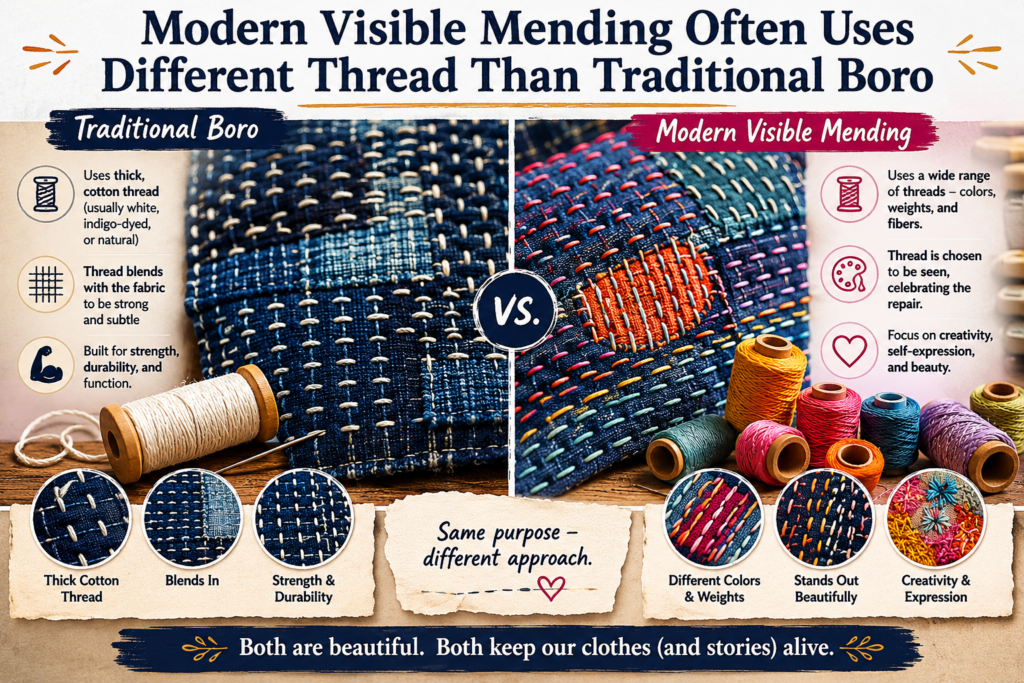
Traditional boro developed from survival and material scarcity, while modern visible mending often focuses more on artistic expression and personal style. Because of this, many contemporary boro-inspired repairs intentionally use thread types that would not have existed in historical Japanese garments.
Modern artists frequently experiment with embroidery floss, pearl cotton, colorful polyester thread, and decorative stitching layouts to create stronger visual contrast. Traditional boro usually prioritized durability and repeated reinforcement instead of visual design alone.
Traditional boro typically emphasized
- Functional repair
- Reused cotton materials
- Long-term durability
- Layered reinforcement
- Practical stitching methods
Modern visible mending often emphasizes
- Artistic expression
- Color contrast
- Decorative stitch patterns
- Fashion styling
- Experimental materials
Understanding this difference helps beginners avoid thinking there is only one “correct” way to approach boro stitching.
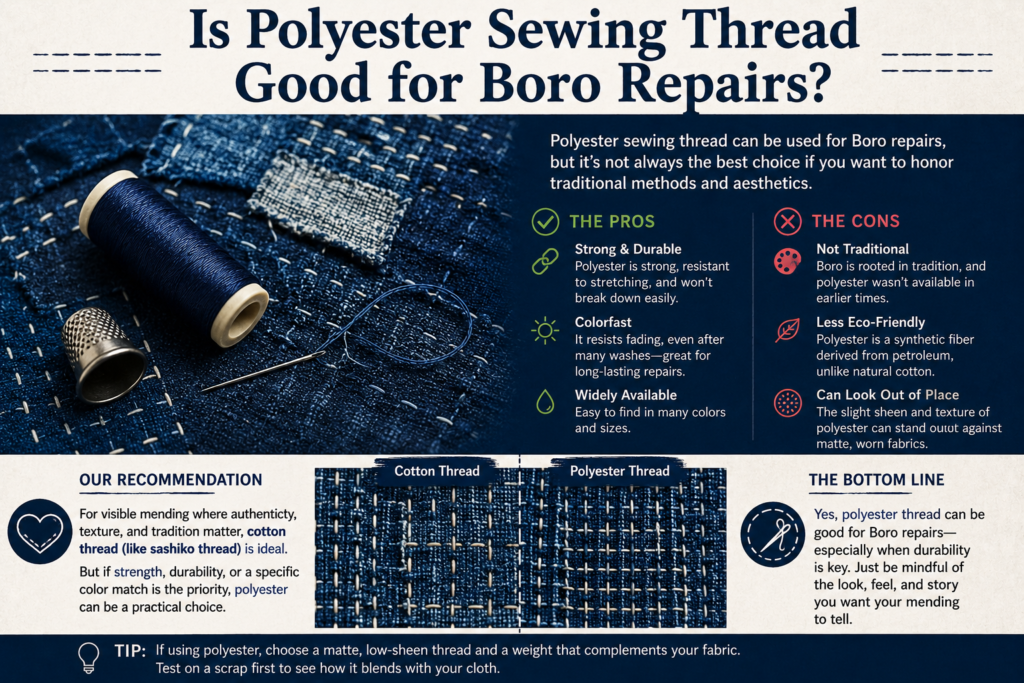
Is Polyester Sewing Thread Good for Boro Repairs?
Polyester sewing thread is one of the strongest modern options for boro repairs, especially when durability matters more than historical authenticity. Polyester resists abrasion, moisture, and repeated washing far better than many cotton threads. This makes it extremely practical for frequently worn garments like jeans, jackets, work shirts, and bags.
However, polyester thread changes the overall appearance of boro stitching. Many polyester threads have a smoother and shinier surface compared to matte cotton sashiko thread. On rough natural fabrics, this reflective appearance can look visually out of place. Some visible mending artists intentionally avoid shiny thread because it reduces the soft handmade texture associated with traditional Japanese repairs.
Polyester thread can also behave differently under tension. Very strong thread may cut into delicate vintage fabric if stitches are pulled too tightly. This becomes more noticeable on old linen or weakened cotton garments where softer thread would move more naturally with the fabric.
Advantages of polyester thread for boro:
- High tensile strength
- Excellent durability
- Better moisture resistance
- Long-lasting repair performance
- Less thread breakage
- Good for denim repairs
Disadvantages of polyester thread:
- Shiny appearance
- Less traditional texture
- Can feel visually artificial
- May cut fragile fabric
- Reduced rustic appearance
For modern functional repairs, polyester works extremely well. For authentic-looking visible mending and vintage aesthetics, softer cotton thread usually creates a more balanced visual result.
Is Machine Sewing Thread Different From Hand-Stitching Thread for Boro?
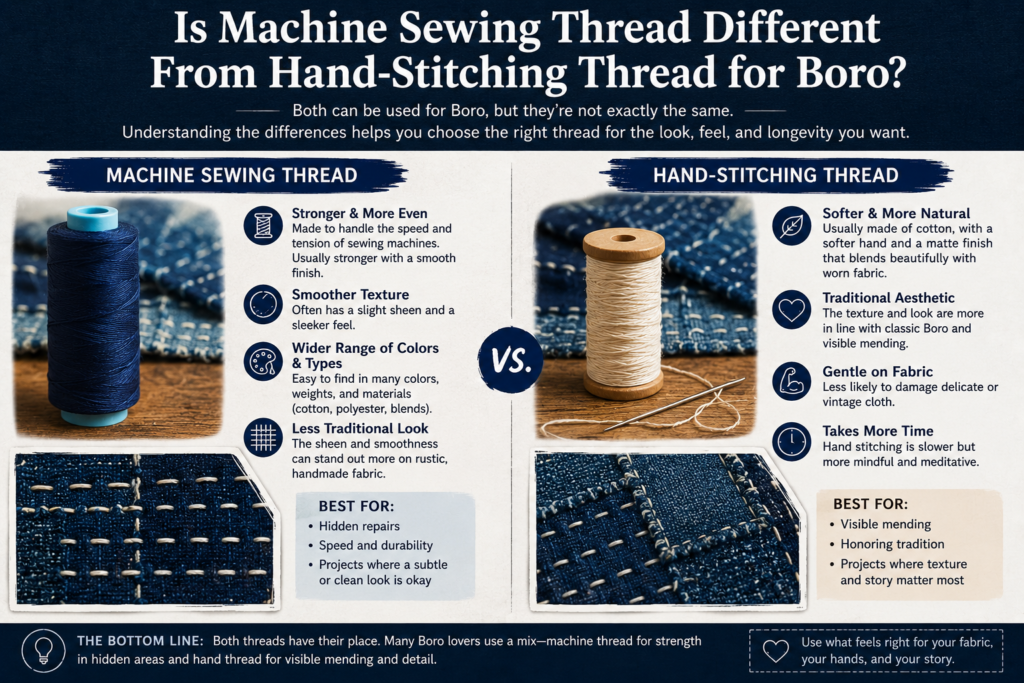
Machine sewing thread and hand-stitching thread are designed for different purposes. Standard machine thread is thinner, smoother, and tightly twisted so it can move efficiently through sewing machines at high speed. Hand-stitching thread is usually thicker and softer because it is designed for visible texture and manual control during stitching.
This difference becomes highly noticeable in boro stitching. Machine thread often creates cleaner and more subtle repairs, while hand-stitching thread produces stronger visual texture and more traditional visible mending patterns. Neither option is automatically better, but each creates a different repair style.
Common thread types used for boro
| Thread Type | Best Use |
| Machine sewing thread | Subtle repairs |
| Hand quilting thread | Strong visible stitching |
| Sashiko thread | Traditional boro |
| Embroidery floss | Decorative repairs |
| Pearl cotton | Bold visible texture |
Important differences between thread types
- Machine thread is smoother
- Hand thread creates more texture
- Thick thread improves visibility
- Fine thread creates softer stitching
- Decorative repairs allow wider flexibility
Many modern visible mending artists intentionally combine multiple thread types in a single garment to create layered visual contrast.
When Does Regular Sewing Thread Work Best?
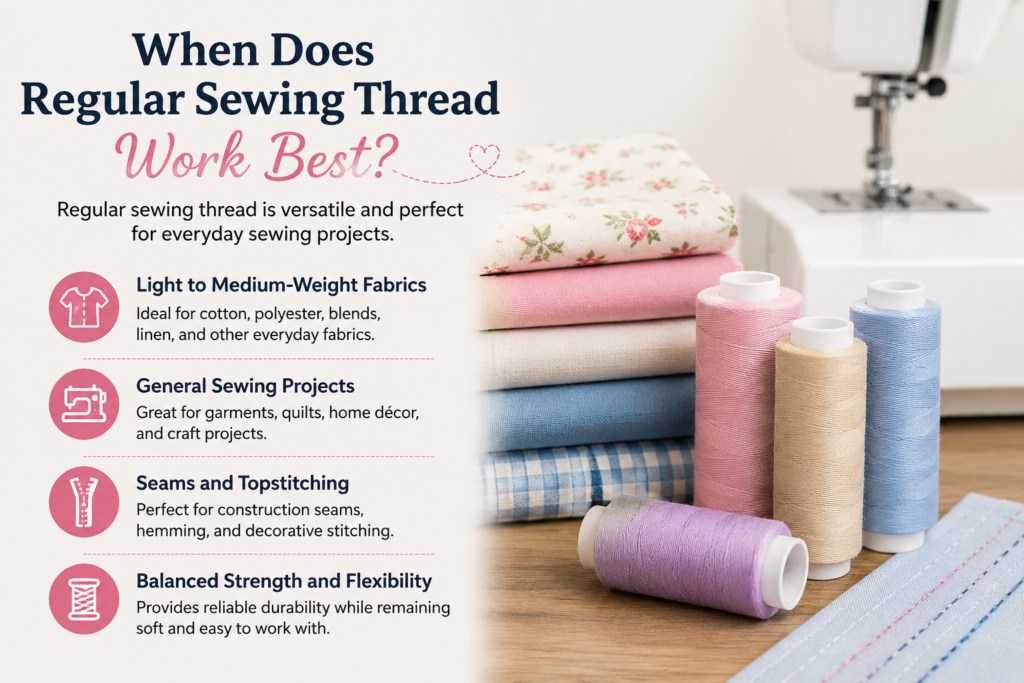
Regular sewing thread performs surprisingly well in many boro projects, especially when the goal is subtle reinforcement instead of dramatic visible mending. Lightweight garments generally do not require thick sashiko thread because the fabric itself places less stress on stitched areas. Thin thread often creates cleaner lines and smoother stitching on soft fabric.
Many beginners also prefer standard sewing thread because it is affordable and easy to find. This lowers the barrier to learning visible mending techniques. Since boro originally developed from reuse and practicality, using available materials still aligns closely with the philosophy behind the repair style.
Regular sewing thread also works well when users want modern-looking visible mending instead of traditional rustic texture. Fine stitching can create elegant geometric patterns without making repairs overly bold.
Best uses for regular sewing thread:
| Repair Type | Why It Works |
| Shirt repairs | Lightweight fabric needs less reinforcement |
| Decorative stitching | Cleaner visual appearance |
| Small patches | Low-friction stress zones |
| Beginner practice | Cheap and accessible |
| Layered cotton repairs | Flexible stitching behavior |
Situations where it may struggle:
- Heavy denim repairs
- Thick canvas garments
- High-friction areas
- Workwear reinforcement
- Large layered patches
Thread choice should always match fabric weight and repair purpose instead of blindly following tradition alone.
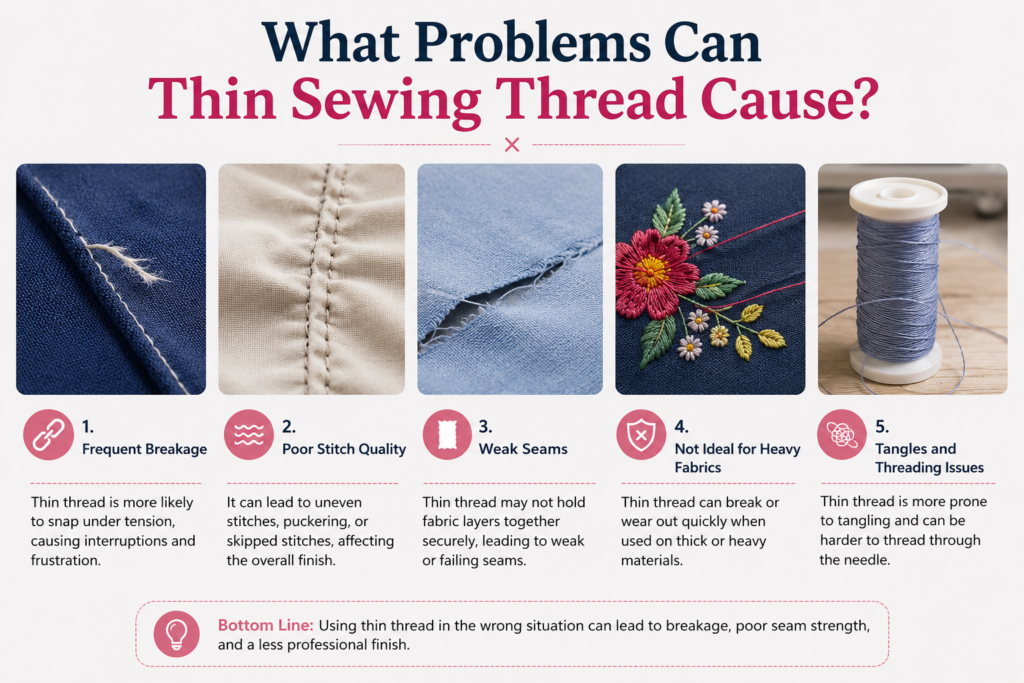
What Problems Can Thin Sewing Thread Cause?
Thin sewing thread creates several common problems in boro stitching when paired with heavy fabric or poor tension control. One of the biggest issues is durability. Thick denim and layered canvas generate constant friction during movement and washing. Over time, fine thread can weaken or break much faster than thicker cotton repair thread.
Another issue is visual disappearance. Traditional boro stitching relies heavily on visible reinforcement lines. Thin thread often sinks into textured fabric instead of remaining visually pronounced on the surface. This can make repairs look flat or unfinished, especially on dark indigo textiles.
Thread tension also becomes more sensitive with thin thread. Beginners sometimes pull stitches too tightly, causing puckering around repaired sections. Thin polyester thread can exaggerate this issue because it stretches differently from natural cotton fabric.
Common problems caused by thin thread:
- Broken stitches
- Reduced repair lifespan
- Low stitch visibility
- Fabric puckering
- Uneven tension
- Weak patch reinforcement
These problems become worse on:
- Raw denim
- Heavy canvas
- Thick jackets
- Multi-layer patching
- High-movement garments
Thin thread is not automatically bad. The problem appears when thread thickness does not match Why Some Boro Artists Intentionally Use Thin Thread
Although thick thread is strongly associated with traditional boro, many modern visible mending artists intentionally choose thinner sewing thread for specific aesthetic and functional reasons. Fine thread creates softer texture, smoother fabric drape, and more subtle repair visibility compared to bold sashiko stitching.
Thin thread also allows higher stitch density without making fabric excessively stiff. This can create detailed layered geometric patterns that look cleaner and more modern than heavy rustic stitching. On lightweight garments, subtle stitching often feels more comfortable during regular wear.
Reasons some artists prefer thin thread
- Softer garment movement
- Cleaner visual appearance
- Minimalist repair style
- Higher stitch density
- Less fabric stiffness
Thin thread works especially well for
- Lightweight linen
- Soft cotton shirts
- Fashion-focused visible mending
- Decorative geometric stitching
- Minimalist repair aesthetics
The best boro stitching style depends on the intended visual outcome rather than blindly following traditional material rules.
the stress level of the repair area.
How Does Sewing Thread Compare to Sashiko Thread?
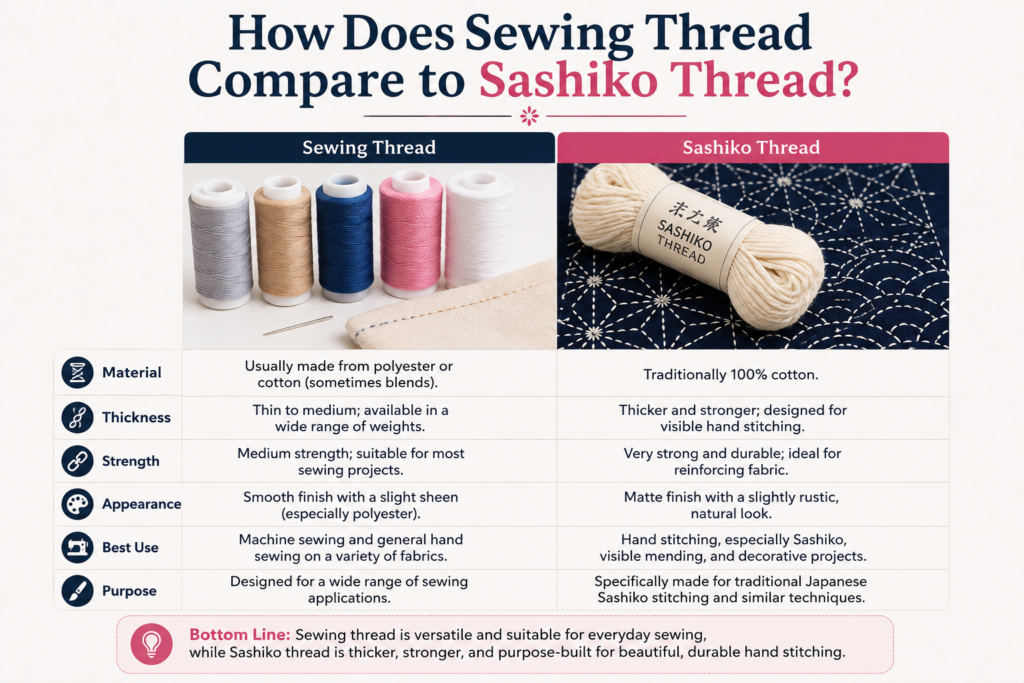
Sashiko thread is specifically designed for visible hand stitching, while regular sewing thread is designed mainly for machine seams and general garment construction. This difference affects texture, thickness, stitch appearance, and durability.
Sashiko thread is usually thicker, softer, and less tightly twisted. It creates bold visible lines across fabric surfaces and produces the iconic texture associated with traditional Japanese mending. Sewing thread creates finer and smoother stitches that appear cleaner but less visually dramatic.
The choice between them depends mostly on repair goals rather than strict rules. Many modern visible mending artists intentionally combine different thread types to achieve unique visual effects.
| Feature | Sewing Thread | Sashiko Thread |
| Thickness | Thin | Thick |
| Surface texture | Smooth | Matte |
| Stitch visibility | Subtle | Bold |
| Denim durability | Moderate | High |
| Traditional appearance | Lower | Higher |
| Cost | Lower | Higher |
Sewing thread advantages:
- Affordable
- Easy to find
- Good for subtle repairs
- Cleaner stitch lines
Sashiko thread advantages:
- Better visual texture
- Stronger on heavy fabric
- Traditional appearance
- Improved visible reinforcement
Neither option is universally correct. The ideal choice depends on whether the project prioritizes authenticity, durability, decoration, or accessibility.
What Thread Weight Works Best for Different Boro Repairs?
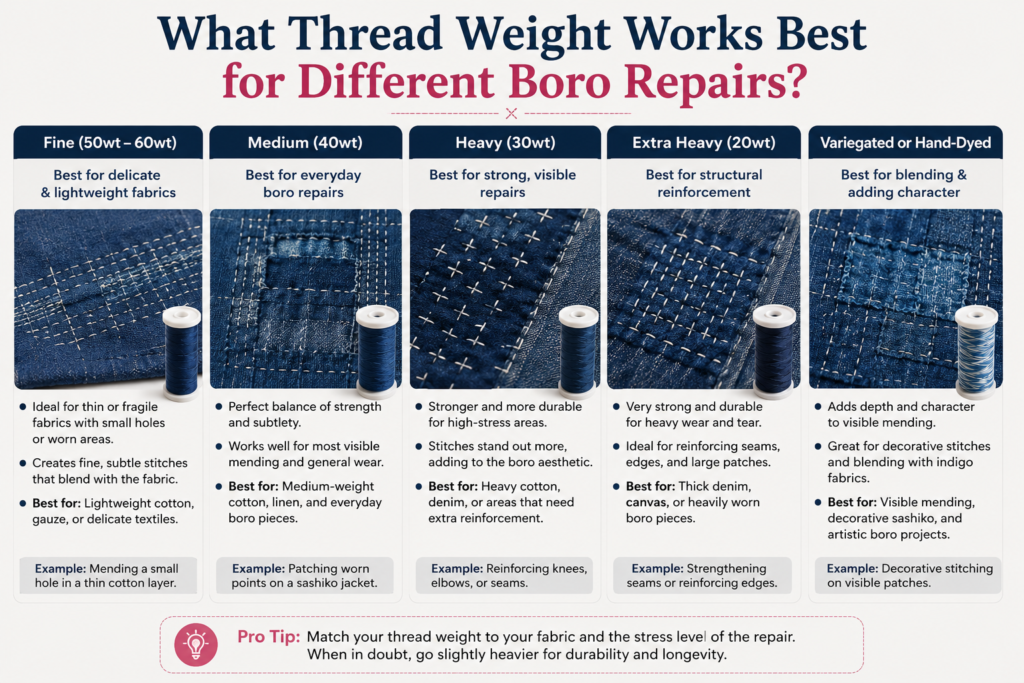
Thread weight dramatically changes how boro stitching looks, feels, and performs over time. Thin all-purpose sewing thread creates cleaner and subtler repairs, while thicker sashiko or pearl cotton thread produces stronger visual texture and better reinforcement on heavy fabric. Choosing the wrong thread weight often causes problems like disappearing stitches, stiffness, or weak patch durability.
Different fabrics also respond differently to thread thickness. Lightweight cotton shirts usually look better with finer thread because thick stitching can overpower soft fabric. Heavy denim and layered canvas generally need stronger visible thread that can tolerate friction and repeated washing without breaking down quickly.
Recommended thread weights for common repairs
| Repair Type | Recommended Thread |
| Lightweight cotton | 40wt cotton thread |
| Decorative visible mending | Pearl cotton No. 8 |
| Heavy denim repairs | Thick sashiko thread |
| Soft vintage fabric | Fine cotton thread |
| Structural patch reinforcement | 12wt cotton thread |
Important thread weight considerations
- Thin thread creates softer drape
- Thick thread increases stitch visibility
- Heavy fabric usually needs stronger thread
- Decorative repairs allow more flexibility
- Overly thick thread may stiffen fabric
Choosing thread weight based on fabric stress and repair purpose usually creates better long-term results than simply copying traditional materials.
Can Beginners Start With Normal Sewing Thread?
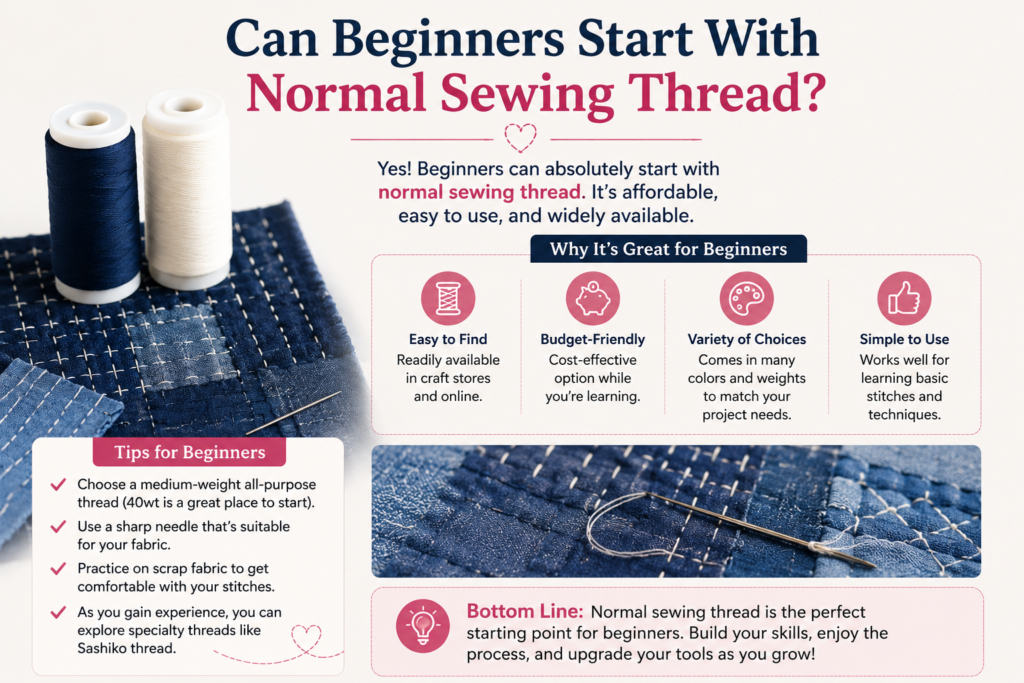
Beginners should absolutely feel comfortable starting with regular sewing thread. One of the most damaging misconceptions in visible mending communities is the belief that expensive traditional materials are required before learning boro stitching. Historically, boro existed because people repaired garments using whatever materials they already had available.
Starting with normal thread allows beginners to focus on technique instead of equipment. Learning stitch spacing, patch placement, tension control, and needle movement matters far more during early practice than owning specialty thread.
Many people discover their stitching preferences only after experimenting. Some eventually prefer thick visible sashiko lines, while others enjoy minimal and subtle stitching styles created with fine thread.
Beginners should first learn:
- Running stitch consistency
- Fabric layering
- Tension balance
- Patch alignment
- Needle handling
- Basic repair structure
Why regular thread is beginner-friendly:
- Widely available
- Low cost
- Easy to replace
- Compatible with standard needles
- Good for practice fabric
Visible mending improves mostly through repetition and observation. Expensive tools rarely replace foundational stitching skill.
Which Needle Size Matches Different Boro Threads?
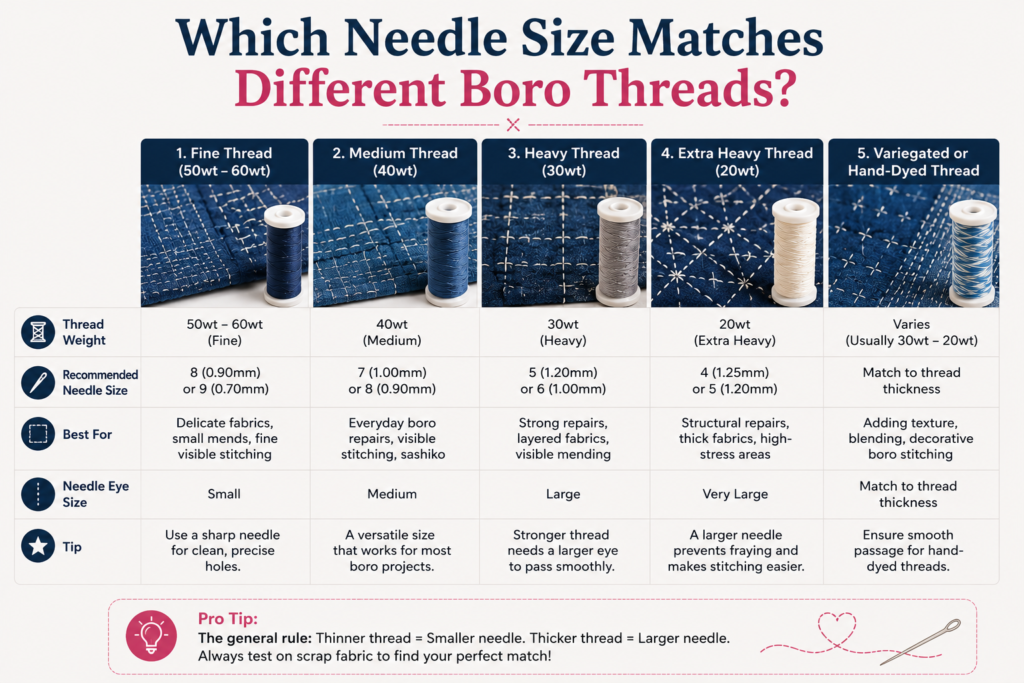
Needle selection affects stitching comfort almost as much as thread choice. Thick thread pushed through a small needle eye creates friction, uneven tension, and thread fraying. Matching needle size correctly helps stitches glide more smoothly through layered fabric and reduces strain during long hand-stitching sessions.
Different repair styles also benefit from different needle lengths. Long sashiko needles help create continuous running stitches across large patches, while shorter embroidery needles provide more control for detailed decorative visible mending work.
Recommended needle pairings
| Thread Type | Recommended Needle |
| Regular sewing thread | Embroidery needle |
| Sashiko thread | Sashiko needle |
| Pearl cotton | Chenille needle |
| Denim repairs | Long sashiko needle |
| Fine cotton thread | Standard sewing needle |
Needle selection tips
- Larger eyes reduce thread friction
- Long needles improve running stitches
- Heavy denim needs stronger needles
- Thin fabric benefits from smaller needles
- Needle sharpness affects stitch consistency
Using the wrong needle often causes more stitching frustration than using the wrong thread.
Does Thread Thickness Affect Boro Durability?
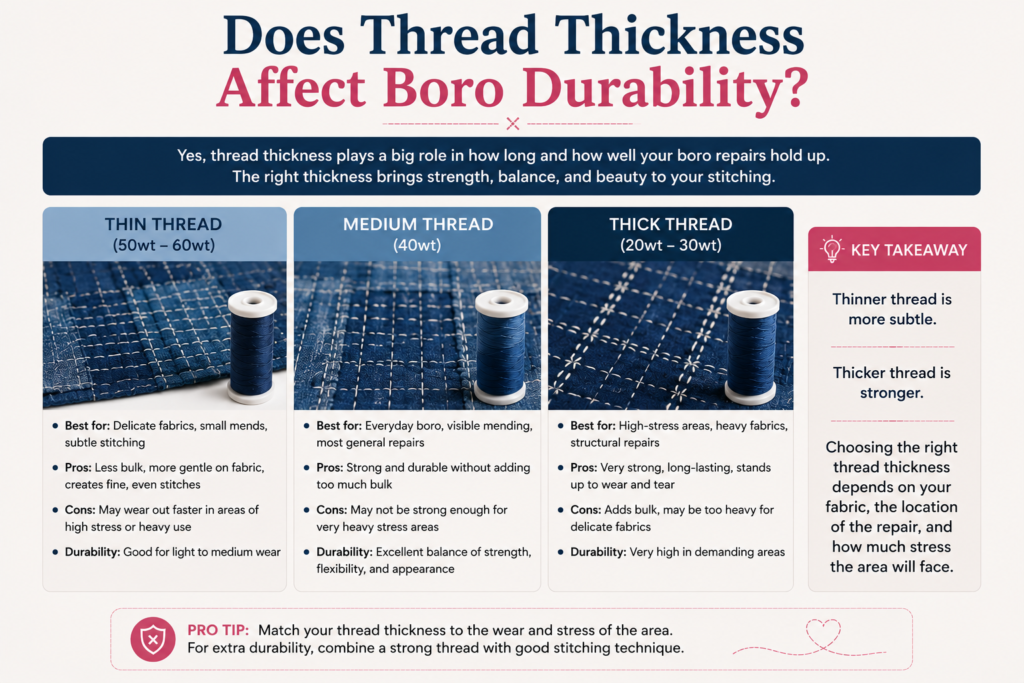
Thread thickness directly affects the strength and lifespan of boro repairs. Thick thread distributes stress across larger surface areas and resists abrasion more effectively than fine thread. This becomes especially important on frequently worn garments like jeans, jackets, and workwear.
However, thicker is not always better. Extremely thick thread can stiffen lightweight fabric or create puckering if tension becomes uneven. The ideal balance depends on fabric weight, movement stress, washing frequency, and repair location.
Climate also affects long-term thread performance more than many beginners realize. Cotton thread absorbs moisture and softens naturally in humid environments, while very dry climates may cause some cotton repairs to feel stiffer over time. Polyester thread resists humidity more effectively but may retain a sharper texture after repeated washing.
Climate-related thread behavior
- Humidity softens natural cotton thread
- Dry climates may stiffen repairs
- Polyester resists moisture absorption
- Frequent washing changes texture faster
- Heavy outdoor wear increases abrasion stress
These environmental differences become especially noticeable on frequently worn denim garments and workwear repairs.
Heavy thread performs best on thick layered repairs because it anchors patches more securely. Thin thread performs better on lightweight garments where flexibility matters more than extreme reinforcement.
Thick thread advantages:
- Better abrasion resistance
- Stronger patch anchoring
- Improved stitch visibility
- Longer repair lifespan
- Better structural reinforcement
Thin thread advantages:
- More flexibility
- Cleaner stitching
- Less bulk
- Better for delicate fabric
- Smoother decorative appearance
How Does Washing Change Boro Thread Over Time?
The strongest boro repairs usually balance thread thickness with fabric density instead of using one universal solution for every garment.
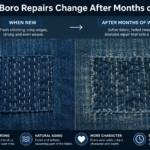
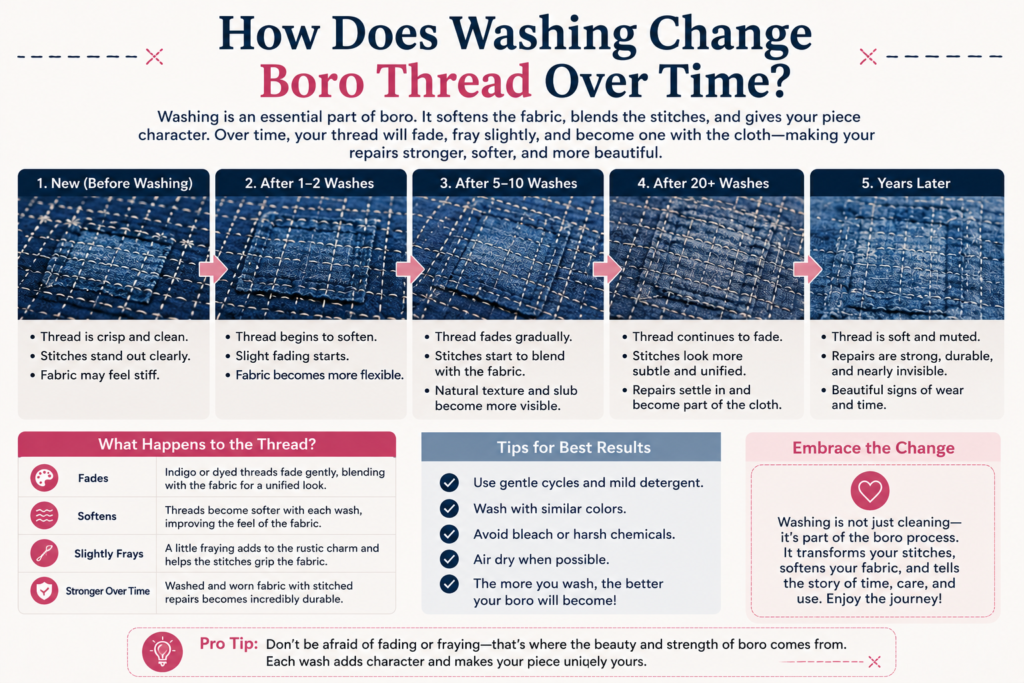
Washing gradually changes both the appearance and behavior of boro stitching. Cotton thread usually softens after repeated washing, allowing repairs to blend more naturally into the surrounding fabric. This soft aging effect is one reason traditional boro textiles developed their distinctive worn texture over many years of use.
Polyester thread behaves differently because it resists softening and moisture absorption more aggressively. While this improves durability, it can also make repairs look sharper and more artificial compared to aged cotton stitching. Indigo bleeding from denim may also tint lighter thread over time, changing the visual contrast of visible mending patterns.
Common long-term thread changes
- Cotton thread softens gradually
- Polyester remains smoother and firmer
- White thread may absorb indigo dye
- Repeated friction creates fuzzy texture
- Stitch visibility changes over time
Traditional boro aging characteristics
- Repairs blended naturally into garments
- Thread softened with repeated wear
- Layered patches developed texture slowly
- Stitch contrast became less uniform
- Fabric and thread aged together organically
Traditional boro aesthetics often emerged after years of washing and repair rather than immediately after stitching.
What Bad Thread Choices Usually Look Like
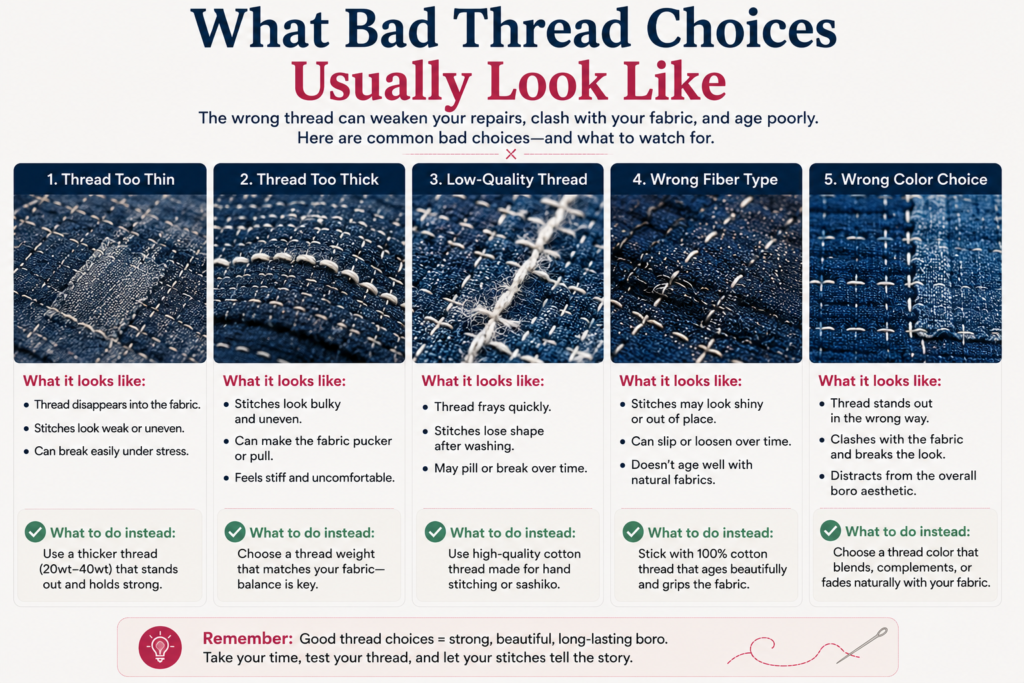
Many boro stitching problems come from mismatching thread thickness with fabric type. Beginners often assume weak repairs are caused by poor stitching skill when the real issue is incorrect thread selection. Learning to recognize these visual warning signs makes troubleshooting much easier.
Some problems appear immediately, while others develop slowly after washing and repeated wear. Thin thread may disappear into heavy denim after several washes, while overly thick thread can create stiff uncomfortable patches on lightweight fabric.
Common thread-related repair problems
| Problem | Likely Cause |
| Stitches disappear | Thread too thin |
| Fabric puckers | Tension too tight |
| Repair looks shiny | Polyester thread |
| Patch feels stiff | Thread too thick |
| Thread frays quickly | Weak low-quality cotton |
Signs your thread choice may be wrong
- Uneven stitch tension
- Visible fabric pulling
- Weak patch stability
- Excessive stiffness
- Rapid abrasion wear
Good boro repairs usually balance flexibility, reinforcement, and visible texture instead of maximizing only one characteristic.
Final Verdict: Should You Use Regular Sewing Thread for Boro?
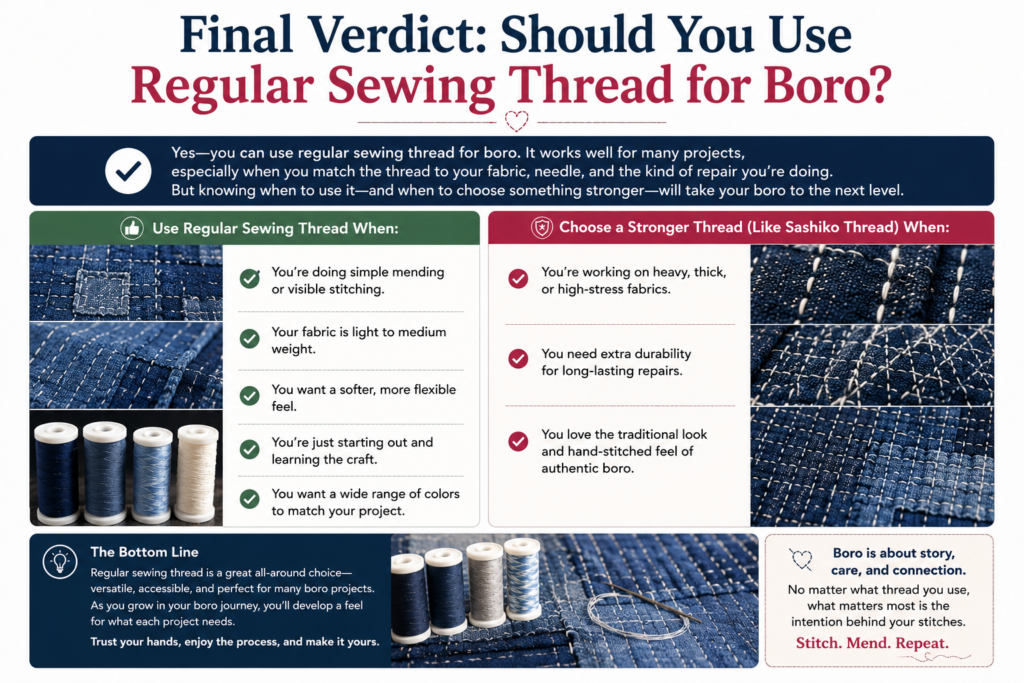
Yes, regular sewing thread works perfectly well for many types of boro stitching. It is practical, affordable, beginner-friendly, and suitable for decorative visible mending, lightweight garments, and subtle repair styles. Many successful modern boro projects use ordinary sewing thread without any problem.
However, traditional sashiko-style thread still offers advantages for heavy fabrics, visible texture, and long-term durability. Thick cotton thread produces stronger visual contrast and more authentic layered reinforcement on denim and workwear.
The best thread choice depends on:
- Fabric thickness
- Repair purpose
- Desired appearance
- Durability needs
- Personal stitching style
- Budget and accessibility
Boro has always been about practical repair and thoughtful reuse rather than strict material rules. The most important factor is creating repairs that strengthen garments while extending their usable life.
FAQ Section
Can regular sewing thread be used for visible mending?
Yes. Regular sewing thread works well for subtle visible mending and lightweight fabric repairs.
Is sashiko thread stronger than normal sewing thread?
Usually yes, especially on heavy layered fabric like denim and canvas.
Why does my boro stitching disappear into the fabric?
Thin sewing thread often sinks into textured fabric surfaces and creates less visual contrast.
Can polyester thread damage old fabric?
Very tight polyester stitching can sometimes cut fragile vintage fabric because the thread is extremely strong.
What is the best thread for denim boro repairs?
Medium-weight cotton sashiko thread or durable polyester thread usually works best for denim.
Can beginners practice boro with cheap thread?
Absolutely. Beginners should focus on stitching skill and repair structure before buying specialty supplies.
Does thicker thread always create stronger repairs?
Not always. Excessively thick thread can stiffen delicate fabric or create puckering.
Is embroidery floss good for boro stitching?
Yes. Many visible mending artists use embroidery floss for decorative textured stitching.