Introduction
Japan gave the world many textile traditions, but few are as practical and meaningful as Boro stitching. If you have ever seen layered fabric held together with visible hand stitches and wondered whether it was repair work or art, that is exactly where Boro lives. Boro stitching is a traditional Japanese textile repair technique built around patching worn fabric using layered cloth and simple running stitches. It began as survival, not decoration.
The word “Boro” means “ragged” or “tattered,” but the deeper meaning is preservation. Instead of throwing fabric away, people reused, repaired, and reinforced it repeatedly. Over time, this created strong, textured garments with visible life stories sewn into them. Today, Boro has become highly respected in modern fashion, sustainable clothing, and visible mending communities.
Why Boro stitching matters today:
- Helps extend clothing lifespan
- Reduces textile waste
- Encourages slow fashion
- Builds hand-sewing skills
- Creates one-of-a-kind textile art
- Makes clothing stronger through reinforcement
Modern makers often combine Boro with Sashiko, but Boro itself is much bigger than a stitching method. It is a philosophy of repair, reuse, and respect for materials.
What is Boro Stitching?
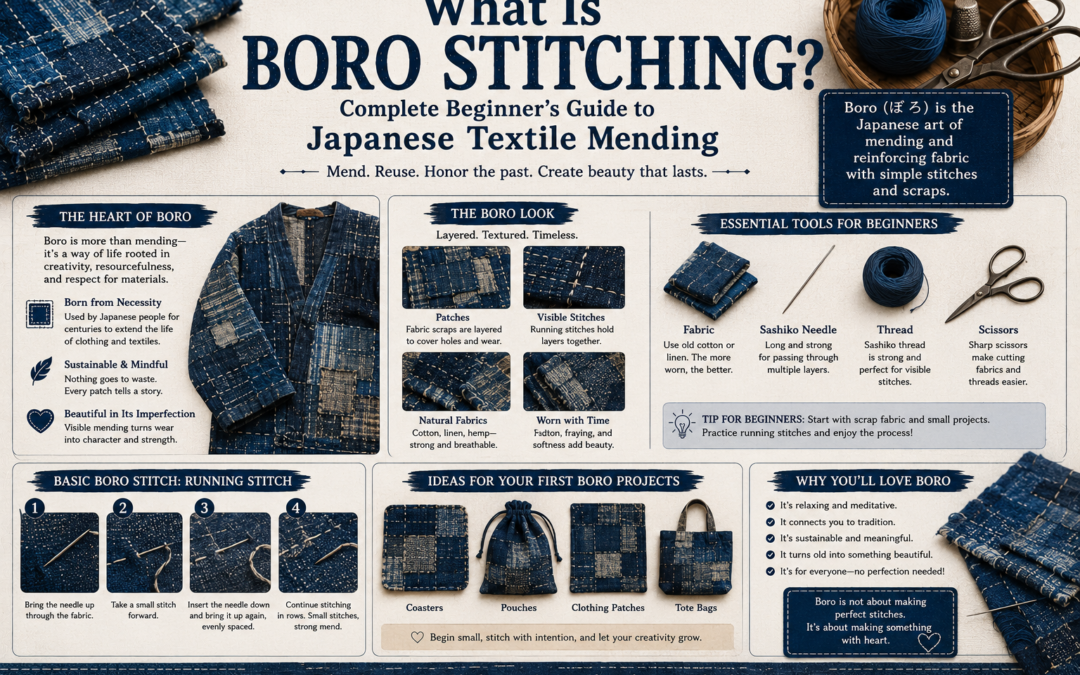
Boro stitching is a Japanese textile mending method where worn fabric is repaired using patches stitched over weak areas. Unlike modern patching where repairs are hidden, Boro keeps everything visible. The stitches, the layers, the uneven edges, and the reinforcements all remain part of the finished piece. That visibility is what makes Boro both practical and beautiful.
Traditionally, Boro was used by rural families who could not afford new cloth. Instead of replacing damaged garments, they added new layers over old ones. Over years, even decades, one garment could contain dozens of patches. Every repair added strength while preserving usability.
Boro is often misunderstood as decorative embroidery, but its roots are functional. Decoration came later when people began appreciating the visual complexity of repeated repair.
Core characteristics of Boro stitching:
- Layered patchwork
- Visible stitching
- Repaired worn areas
- Functional reinforcement
- Recycled fabric use
- Irregular design structure
Boro is different because imperfection is part of its identity. The goal is not perfection. The goal is continuation. That is why modern makers connect Boro with Wabi-sabi—the appreciation of imperfection and age.
The History of Japanese Boro Stitching
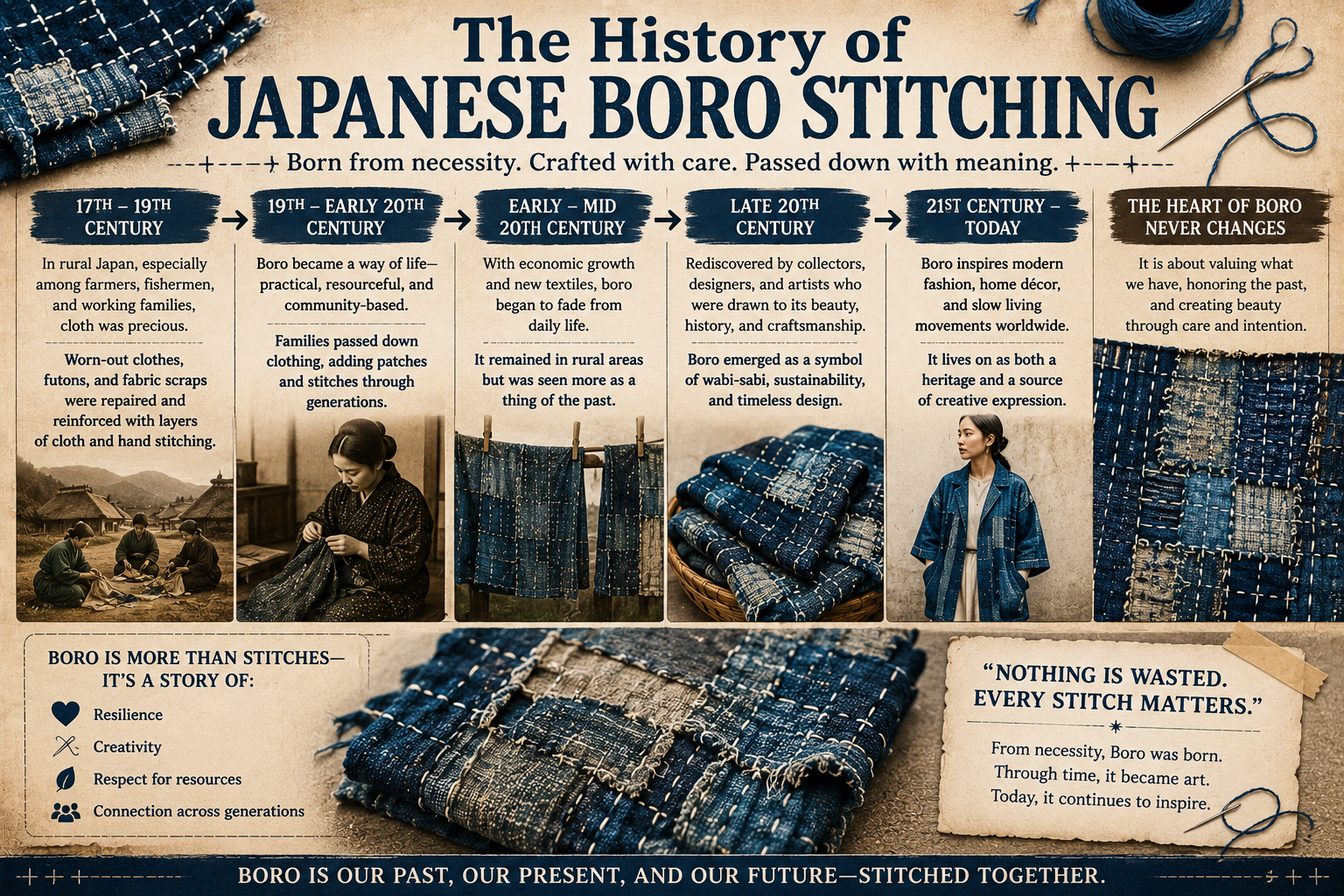
Japanese Boro Stitching developed in northern rural regions of Japan during the Edo period. Fabric was expensive, and cotton was difficult for poor farming communities to access. Families relied heavily on hemp and reused cotton scraps wherever possible.
Clothing was too valuable to discard. A jacket might begin as one garment, then be repaired dozens of times, then passed down to children. Every damaged area received patches and stitching, creating layers upon layers of reinforced cloth.
Over generations, garments became stronger but visually complex. What looked poor at the time is now highly respected textile history.
Historical reasons Boro existed:
- Extreme textile scarcity
- Harsh winters
- Economic poverty
- Need for durable workwear
- Multi-generation clothing use
Many preserved Boro textiles are now displayed in museums because they tell a story of resourcefulness. What started as poverty-based necessity became one of the world’s most admired textile traditions.
Boro reminds us that fashion once prioritized durability over replacement.
What Makes Boro Stitching Authentic?
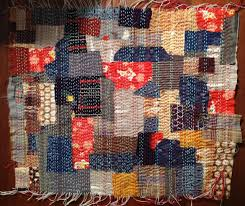
Authentic Boro is rooted in necessity, not decoration. This distinction matters because modern fashion often imitates the look of Boro without following its principles. Real Boro evolves from repeated repair, layering, and practical reinforcement over time.
Authenticity is not about making fabric look old. It is about preserving usefulness through honest repair. Traditional Boro pieces show wear patterns because they were lived in, not manufactured to appear aged.
Authentic Boro usually includes:
- real wear-based patching
- practical reinforcement
- reused materials
- visible structural stitching
- layered repair history
Modern Boro-inspired fashion can still be valuable, but understanding authenticity helps preserve cultural respect. If your goal is traditional Boro, repair actual damage instead of creating artificial distress. That keeps the philosophy intact and teaches the real purpose behind the craft.
What Makes Boro Different from Sashiko?
- Boro uses layered patches
- Sashiko can exist without patchwork
- Boro often looks irregular
- Sashiko patterns are often structured
Understanding this difference helps beginners buy the right materials and learn the right process.
If your goal is repairing denim with layered reinforcement, you are doing Boro. If your goal is decorative geometric stitching, you are likely doing Sashiko.
Boro Stitching vs Iron-On Patches
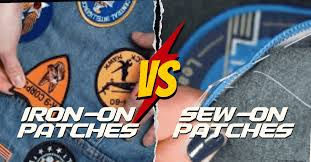
Many people consider iron-on patches as a quick repair option, but they work very differently from Boro. Iron-on patches rely on adhesive bonding, while Boro uses stitched structural reinforcement. This makes Boro stronger over time.
Iron-on patches are fast but often fail under repeated washing and movement. Boro takes longer but creates deeper reinforcement through layered stitching.
Comparison points:
- Boro offers stronger durability
- Iron-on patches are faster
- Boro handles heavy wear better
- Iron-on adhesive weakens with heat
- Boro repairs can be restitched easily
Choose Boro if:
- the fabric is heavily stressed
- durability matters
- you want long-term repair
Choose iron-on if:
- the damage is temporary
- speed matters more than strength
For serious garment preservation, Boro is the stronger long-term choice.
A lot of beginners confuse Boro with Sashiko, but they are not the same thing. Sashiko is a stitching method. Boro is a repair system.
Sashiko uses repeating geometric stitches for reinforcement. Boro uses those stitches to attach layered fabric patches. This means Boro can include Sashiko, but Sashiko does not automatically mean Boro.
Think of it like this: Boro is the structure; Sashiko is the tool.
Key differences:
- Boro focuses on repair
- Sashiko focuses on stitching
Why Was Boro Stitching Created?
Boro stitching was created because replacing fabric was impossible for many rural families. Clothing was labor-intensive to make and expensive to buy. Repairing was the only realistic option.
Farmers, fishermen, and workers needed durable garments. Constant physical labor wore fabric quickly, especially elbows, knees, shoulders, and cuffs. Instead of discarding these weak areas, they reinforced them.
This practical system created garments that could survive years of heavy use.
Main reasons Boro was created:
- Fabric scarcity
- Cost of new garments
- Need for warmth
- Workwear durability
- Household survival
Today, people practice Boro by choice, but historically it was necessity.
That difference matters because understanding the origin helps preserve authenticity. Boro is not about making something look old. It is about extending usefulness.
Core Principles of Boro Stitching
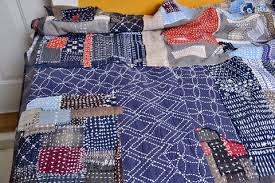
Boro follows several important principles that guide both traditional and modern practice. These principles help maintain the integrity of the method.
The first is layering. Weak fabric needs support. Patches create strength through overlap.
The second is visibility. Repairs stay visible because hiding them was not the goal.
The third is reuse. Existing materials matter.
Core Boro principles:
- Reinforce before replacing
- Layer for strength
- Keep repairs visible
- Use available materials
- Prioritize function
- Accept imperfection
These principles connect deeply with Visible Mending today.
Modern Boro still respects these foundations even when used decoratively.
Without these principles, Boro becomes simple patchwork instead of meaningful textile repair.
Materials Used in Traditional Boro Stitching
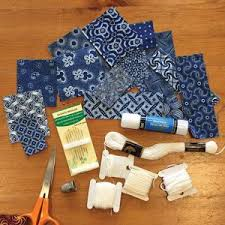
Traditional Boro uses simple materials, but material quality matters greatly. The most common base fabrics were hemp and cotton. Cotton became especially important after becoming more available.
Indigo-dyed cloth was common because of durability and availability through Indigo Dyeing traditions.
Thread also matters. Thick stitching thread creates stronger reinforcement.
Traditional Boro materials:
- Indigo cotton
- Hemp fabric
- Old clothing scraps
- Sashiko thread
- Long hand-sewing needles
- Fabric scissors
Beginners often start with denim because it behaves similarly to heavy traditional cloth.
Choosing soft, weak fabric for Boro can create poor results. Strong woven cloth creates better durability.
Material choice directly affects stitch longevity.
Where to Find Good Fabric for Boro Stitching
Finding good fabric is easier than many beginners think. Traditional Boro relied on whatever was available, which means modern makers can source fabric creatively instead of buying expensive specialty cloth.
The best fabric often comes from used clothing because it already has softness, flexibility, and lived texture. This makes stitching easier and keeps the repair philosophy aligned with Boro traditions.
Best fabric sources:
- old denim jeans
- thrift stores
- worn cotton shirts
- canvas bags
- fabric scrap bins
- vintage workwear
What to avoid:
- stretchy synthetic fabric
- weak knit fabric
- slippery polyester blends
Start by looking at what you already own. Old clothing often provides the best Boro material because it continues the cycle of reuse, which is central to authentic Boro practice.
How Boro Stitching Works (Step-by-Step)
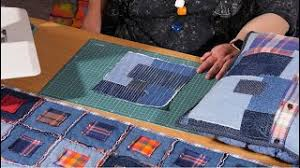
Boro stitching is simple to begin, but strong results require structure. First, identify the damaged area. Then choose patch fabric slightly larger than the weak section.
Layer the patch underneath or above depending on your design. Pin it in place and begin running stitches.
The goal is to anchor layers together evenly.
Basic Boro steps:
- Clean the fabric
- Identify damaged areas
- Cut patch pieces
- Position patches
- Pin layers
- Stitch using running stitch
- Reinforce edges
Do not over-tighten stitches. Tight tension causes fabric distortion.
Good Boro looks organic but functions structurally.
Over time, multiple repairs build stronger textile architecture.
Basic Boro Stitch Patterns Beginners Should Know
Boro uses simple stitches, but stitch choice changes durability. The most common stitch is the running stitch. It is fast, strong, and flexible.
Grid stitches create even reinforcement across larger patches.
Random reinforcement stitching creates more natural-looking repair.
Beginner-friendly Boro stitches:
- Running stitch
- Grid stitch
- Parallel stitch
- Box stitch
- Cross reinforcement stitch
Beginners should master running stitches first because they form the foundation of both Boro and Sashiko.
Fancy stitches are unnecessary in early projects.
Strong basics produce better repairs.
How Close Should Boro Stitches Be?
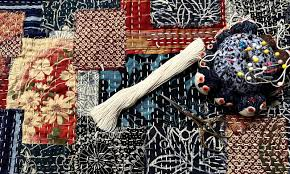
Stitch spacing affects both flexibility and strength. One of the biggest beginner mistakes is inconsistent spacing. If stitches are too loose, the patch shifts over time. If they are too tight, the fabric stiffens and wrinkles.
The right spacing depends on how much stress the repaired area takes. A decorative patch on a bag can handle wider spacing. A jeans knee repair needs tighter reinforcement because of bending and friction.
General stitch spacing guide:
- Light decorative repair: 0.5 inch spacing
- Medium-use repair: 0.25–0.4 inch spacing
- Heavy-use repair: 0.15–0.25 inch spacing
- Edge reinforcement: tighter than center stitching
Always test flexibility after a few rows. If the patch feels rigid, spacing may be too dense. If it shifts or lifts, spacing may be too wide. Good Boro finds the balance between movement and structure. Durability should always guide stitch density decisions.
Is Boro Stitching Hard for Beginners?
Boro is beginner-friendly because it does not demand perfect stitching. Unlike embroidery, exact symmetry is not required.
What beginners struggle with most is patience. Boro takes time because layering and reinforcement are manual.
But technically, it is one of the easiest textile arts to start.
Beginner challenges:
- Uneven stitches
- Patch placement
- Thread tension
- Fabric bunching
- Layer alignment
The solution is repetition.
Start small. Repair a pocket, knee, or bag first.
Small projects teach structure before large garments.
Boro rewards patience more than skill.
Best First Boro Projects for Beginners
Your first Boro project should be small enough to finish but useful enough to teach repair logic. Many beginners make the mistake of starting with large jacket panels or full denim repairs, which creates frustration. Boro is learned through repetition, not complexity.
Smaller projects teach patch control, spacing consistency, and reinforcement strategy. They also help you understand how different fabrics react under tension.
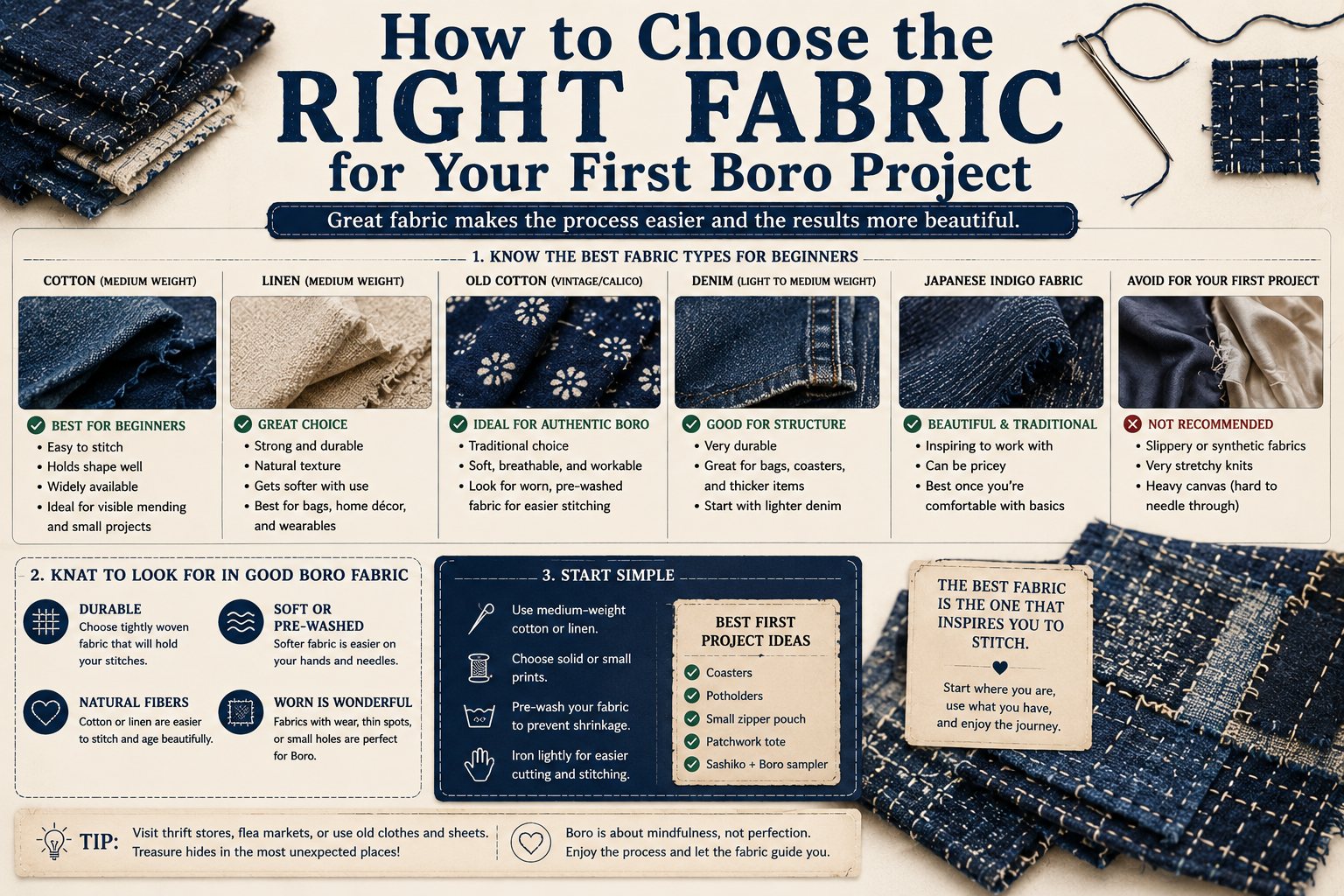
How to Choose the Right Fabric for Your First Boro Project
Choosing the right fabric for your first Boro project affects how easy the stitching feels and how long the repair lasts. Many beginners choose fabric based on appearance, but function should come first. The stress level of the garment matters more than aesthetics. A knee repair on jeans needs stronger material than a decorative patch on a tote bag.
Weight matching matters too. Heavy fabric stitched onto lightweight fabric can pull and distort the base layer. Lightweight fabric on heavy clothing may wear out too quickly. Balance is what creates durable Boro.
Use this simple decision framework before starting:
- Choose denim for high-friction repairs
- Choose cotton for practice projects
- Choose linen for lighter decorative work
- Choose hemp for traditional authenticity
- Choose canvas for bags and utility gear
If you are new, start with medium-weight cotton or denim. They are forgiving, stable, and easy to hand stitch. Your first goal should not be visual perfection. It should be learning stitch control, patch placement, and tension balance.
- Pocket corner reinforcement
- Tote bag patch repair
- Shirt elbow reinforcement
- Small denim tear repair
- Apron corner strengthening
Medium-level projects include:
- Jeans knee repair
- Jacket elbow patching
- Sleeve reconstruction
Start where the stress points are obvious. This teaches structural thinking. Once you understand how fabric wears and where stitches matter most, larger projects become much easier. Small repairs build the muscle memory that makes Boro feel natural.
Common Mistakes in Boro Stitching
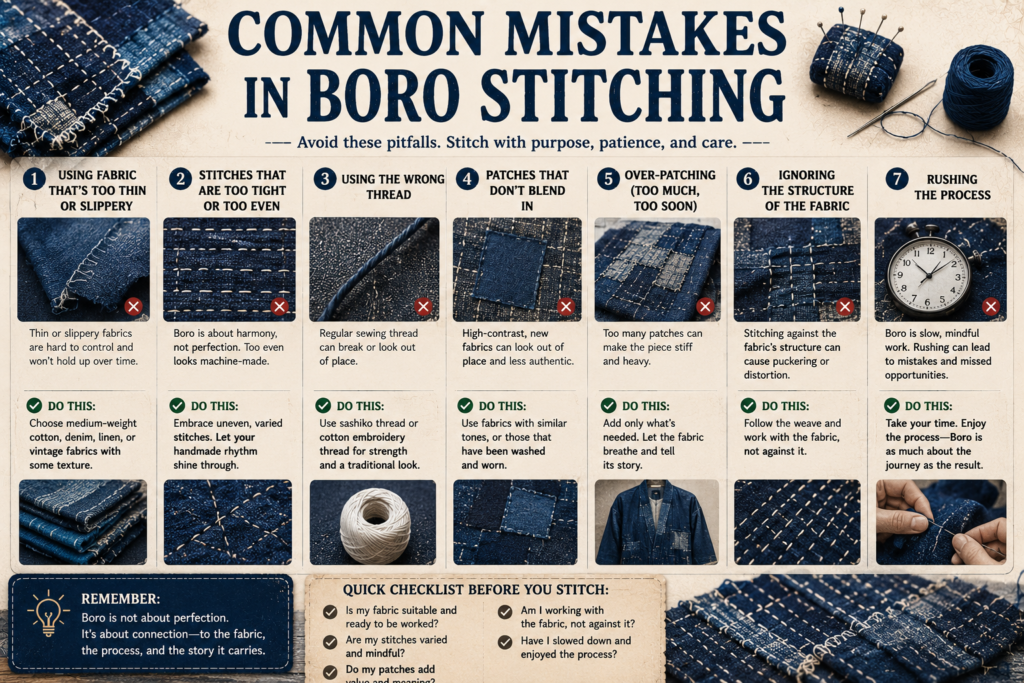
One major mistake is over-designing. Traditional Boro evolved naturally. Planning every patch can remove authenticity.
Another mistake is using weak fabric. Thin fabric tears faster.
Using decorative thread instead of strong thread also reduces durability.
Common Boro mistakes:
- Using stretchy fabric
- Weak thread
- Tight stitches
- Overlapping too thickly
- Ignoring stress points
Beginners should focus on function first.
If the repair is strong, beauty follows naturally.
Good Boro survives wear.
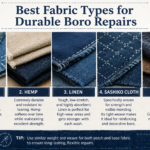
Best Fabric for Boro Stitching
Fabric choice changes everything. Denim is one of the best modern fabrics because it is strong, easy to stitch, and durable.
Cotton is traditional and flexible.
Linen works well but frays more aggressively.
Hemp is historically authentic but harder to source.
Best fabrics:
- Denim
- Heavy cotton
- Canvas
- Linen
- Hemp
Avoid synthetic blends when starting. Natural fibers behave better with hand stitching.
The stronger the base fabric, the longer the Boro repair lasts.
Can You Use Boro Stitching for Modern Clothing?
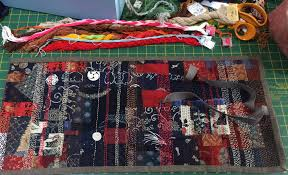
Yes. Boro works exceptionally well in modern clothing. Jeans are the most popular because knees and thighs wear quickly.
Jackets, shirts, bags, aprons, and hats also work well.
Modern fashion has embraced Boro because people now value unique repaired clothing.
Best modern Boro applications:
- Jeans
- Denim jackets
- Tote bags
- Work shirts
- Utility aprons
Boro transforms damaged clothing into stronger, more personal garments.
Repair becomes style.
That is why Boro continues growing globally.
How Long Does Boro Stitching Last?
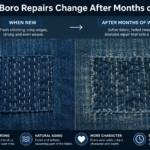
Boro repairs can last surprisingly long when done correctly. Durability depends less on appearance and more on structure. Strong thread, proper patch overlap, and correct stitch density all affect lifespan. A poorly stitched repair may fail within months, while a strong Boro patch can outlast the original garment.
Stress level matters too. Areas like knees, elbows, and pockets experience more movement and friction than flat fabric panels.
Typical Boro durability expectations:
- Light-use items: 1–3 years
- Medium-use clothing: 1–2 years
- Heavy-use denim repair: 6–18 months
- Decorative reinforcement: several years
Durability improves when you:
- use strong thread
- reinforce patch edges
- avoid weak fabric
- wash gently
- restitch worn lines early
Think of Boro as maintenance, not one-time repair. Traditional garments were repaired repeatedly. That is why Boro becomes stronger over time instead of weaker.
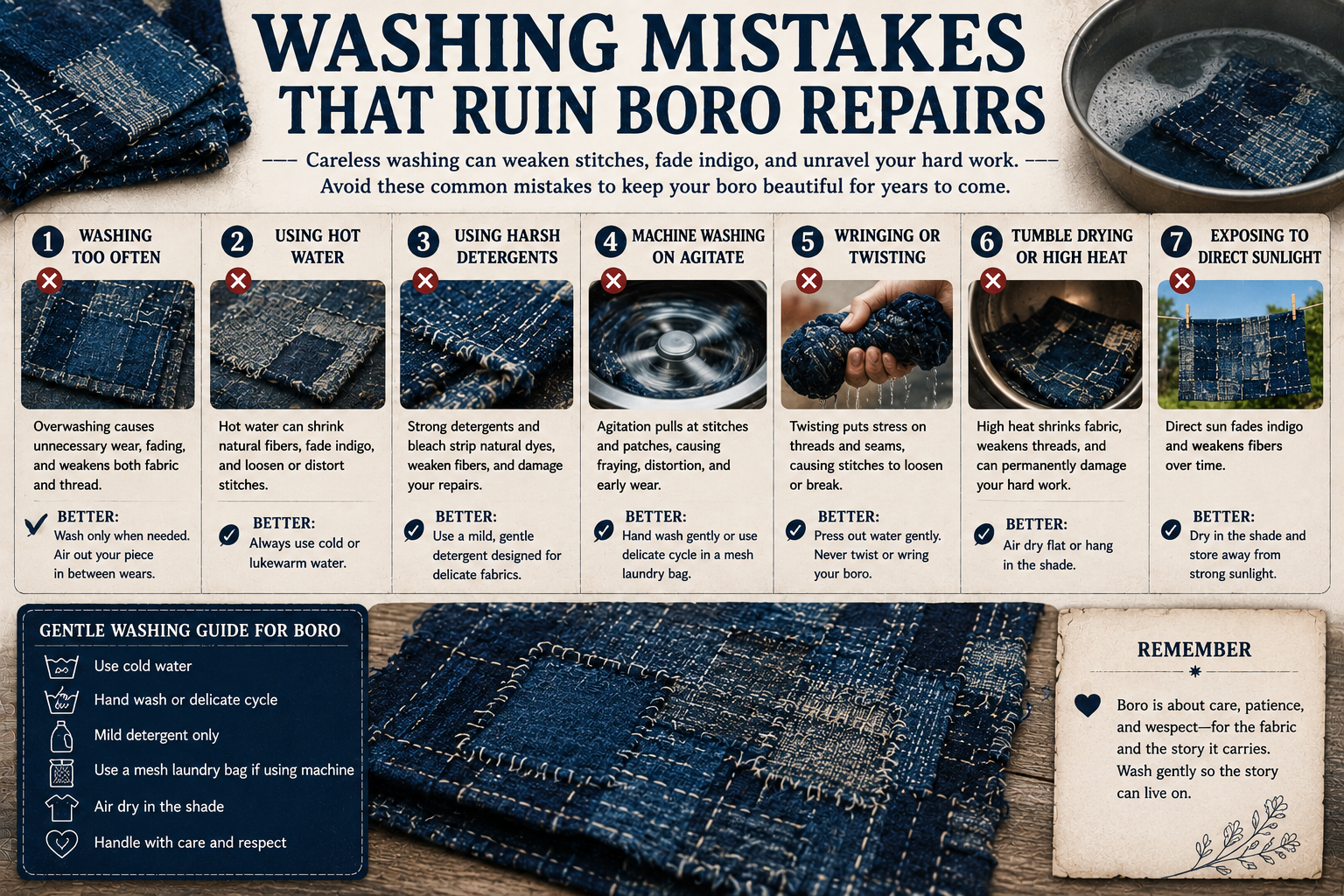
Washing Mistakes That Ruin Boro Repairs
Washing habits directly affect Boro durability. Even strong repairs can weaken if cleaned aggressively. Thread friction, fabric swelling, and repeated spinning create stress on stitched areas.
The goal is to protect both the original fabric and the patch structure. Gentle washing preserves flexibility and stitch tension.
Avoid these mistakes:
- machine drying on high heat
- bleach use
- aggressive spin cycles
- over-washing
- rough brushing
Best care habits:
- cold water washing
- air drying
- inside-out washing
- gentle detergent
- spot cleaning when possible
Boro becomes part of the garment structure. Treating repaired clothing carefully helps the stitches settle and strengthens long-term performance. Good maintenance often doubles repair lifespan.
Why Boro Stitching Is Becoming Popular Again
Boro aligns with modern sustainability. Fast fashion creates massive waste, and Boro offers an alternative.
Instead of replacing, repair.
Instead of hiding damage, strengthen it.
This mindset connects strongly with sustainable textile movements and Visible Mending communities.
Reasons Boro is growing:
- Sustainable fashion
- Handmade culture
- Slow fashion movement
- Unique clothing aesthetics
- Repair culture revival
People want clothing with stories again.
Boro provides exactly that.
Is It Cheaper to Repair or Replace?
Cost is one of the strongest reasons Boro remains practical today. Repairing clothing is almost always cheaper than replacing it, especially for quality garments. A pair of durable jeans may cost far more than the thread and scrap fabric needed for repair.
The financial advantage becomes bigger over time. Every successful repair extends the garment’s usable life, reducing replacement frequency.
Simple cost comparison:
- Thread: low cost
- Scrap fabric: often free
- Needle: reusable
- New jeans: significantly higher cost
- New jacket: much higher cost
Repair makes more sense when:
- the garment fits well
- the fabric is still strong
- damage is localized
- replacement cost is high
Boro is not only sustainable—it is economically smart. Learning repair skills reduces dependence on constant replacement and helps build a stronger relationship with your clothing.
Why People Prefer Visible Repairs Today
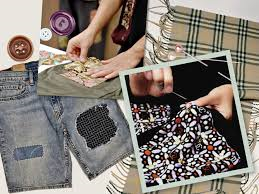
For decades, clothing repair was hidden because visible damage was seen as weakness. That mindset has changed. Today, visible repair represents care, skill, and sustainability. People increasingly value clothing that shows its history.
Boro fits perfectly into this shift because it turns damage into character instead of something to hide.
Modern reasons people embrace visible repairs:
- sustainability identity
- handmade pride
- emotional attachment to clothing
- anti-fast-fashion values
- uniqueness in style
Visible repair creates emotional value. A repaired jacket often feels more personal than a new one because time and effort have been invested into preserving it. That emotional connection is one reason Boro continues growing beyond traditional textile circles.
Is Boro Stitching Worth Learning Today?
Absolutely. Boro teaches practical repair skills, sustainability, patience, and textile understanding.
Unlike trend-based crafts, Boro has lasting usefulness. You can apply it to clothing, bags, home textiles, and art.
It saves money and extends garment life.
Why learn Boro:
- Saves clothing
- Builds sewing skill
- Supports sustainability
- Creates unique design
- Preserves textile tradition
For beginners, Boro is one of the best entry points into hand stitching.
For experienced makers, it offers unlimited creative depth.
That is why Boro remains powerful today.
Boro is more than stitching—it is a philosophy of respect for material, time, and use.
Final Thoughts
Boro stitching began as necessity in rural Japan, but today it represents sustainability, creativity, and respect for fabric.
Unlike modern fast fashion, boro teaches that wear is not failure. Wear tells a story.
Learning boro helps you:
- Repair clothing
- Reduce waste
- Build sewing skill
- Create unique textile art
If you’re starting your boro journey, begin small, stay consistent, and let the stitches evolve naturally.
At japanese boro stitching.online, the goal is simple: preserve the tradition while making it accessible for modern makers.
FAQs
Is boro stitching the same as sashiko?
No. Boro is fabric repair; sashiko is the stitching method often used in repair.
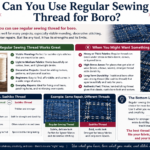
Can I use regular thread for boro?
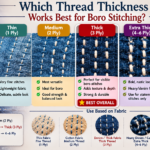
Yes, but thicker thread works better.
What fabric works best for beginners?
Cotton and denim, by far.
Does boro have to use indigo fabric?
No. Indigo is traditional, not required.
Is boro stitching only for clothing?
No. It works for home textiles, bags, and art.
Is boro stitching strong?
Yes, if patches and thread are chosen properly.