The best Boro stitching materials combine durability, texture, flexibility, and visible contrast. Traditional Boro uses layered cotton or linen fabrics, sashiko-style thread, and long hand-sewing needles designed for running stitches. Choosing the right materials improves stitch control, fabric strength, repair longevity, and the authentic layered appearance associated with Japanese Boro textiles.
Why Your Materials Define Your Boro Outcome
Boro stitching is often misunderstood as just patchwork repair, but the real strength of boro lies in the relationship between fabric, thread, and needle. If one material is wrong, the entire stitching experience changes. The fabric affects resistance, the thread controls visual texture, and the needle determines how smoothly the stitching flows. Historically, boro was created from necessity in rural Japan, where old textiles were layered, repaired, and strengthened over generations. Those repairs were not random—they depended heavily on practical material choices.
Refer to our Japanese Boro Stitching Historical Guide for a much deeper understanding of the significance of Boro Stitching.
Modern beginners often focus only on stitching patterns while ignoring the materials. That creates frustration. Thick fabric can resist the needle, weak thread can snap under tension, and the wrong needle can distort the fabric structure. Boro stitching is repetitive by nature, so material comfort matters. If your hands feel tired too quickly, your setup may be wrong.
Understanding the material system helps create better outcomes.
Why materials matter:
- Better stitch consistency
- Stronger repair durability
- Easier hand movement
- Cleaner stitch visibility
- More authentic boro appearance
- Improved patch layering
Think of boro as structural art. The stitches are visible, but the materials underneath determine whether that art holds together over time.
Best Fabrics for Boro Stitching
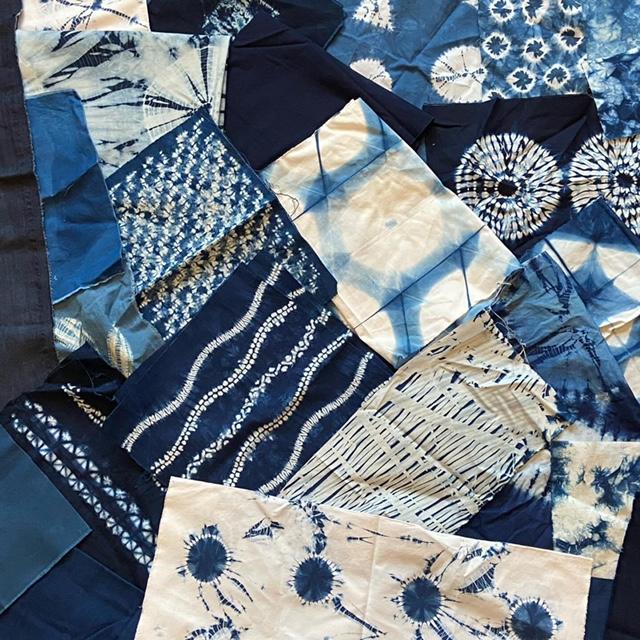
Fabric is the body of boro. Without the right fabric, the repair either becomes weak or difficult to manage. Traditional boro relied on natural woven textiles because they could survive repeated stitching and multiple repair cycles. Cotton was the most common later on, but hemp and linen were also widely used in earlier periods. What makes a fabric suitable for boro is not just strength—it must accept stitching without distortion.
The ideal boro fabric should be medium-weight and woven tightly enough to hold structure but not so tight that it resists the needle. Breathability also matters because layered repairs create thickness. Natural fibers age better, fray more beautifully, and integrate better visually.
When choosing fabric, think in layers. Your base fabric and patch fabric should cooperate.
What makes good boro fabric:
- Woven construction
- Medium thickness
- Strong fiber structure
- Easy needle penetration
- Good aging behavior
- Low stretch
A good boro fabric allows the stitch to become part of the fabric instead of fighting against it. That’s why beginners should prioritize forgiving fabrics over fashionable fabrics.
Best Fabric Weight for Boro Stitching
Fabric weight changes how boro behaves. Many beginners choose fabric based on appearance, but weight affects stitch resistance, durability, and patch layering. Lightweight fabric is easier to stitch through, but it may wear out faster under repeated reinforcement. Heavyweight fabric lasts longer but requires stronger hand pressure and better needle control. Medium-weight fabric creates the best balance between comfort and strength.
Think of fabric weight as your stitching environment. A soft medium-weight cotton allows smooth rhythm, while thick denim demands slower and stronger stitching.
General fabric weight guide:
- Lightweight fabric: good for decorative boro
- Medium-weight fabric: best for beginners
- Heavyweight fabric: best for advanced repair work
- Layered medium-weight fabric: ideal for authentic texture
If you are just starting, medium-weight cotton or light twill gives the easiest learning curve and the best control.
Cotton: The Best Fabric for Beginners
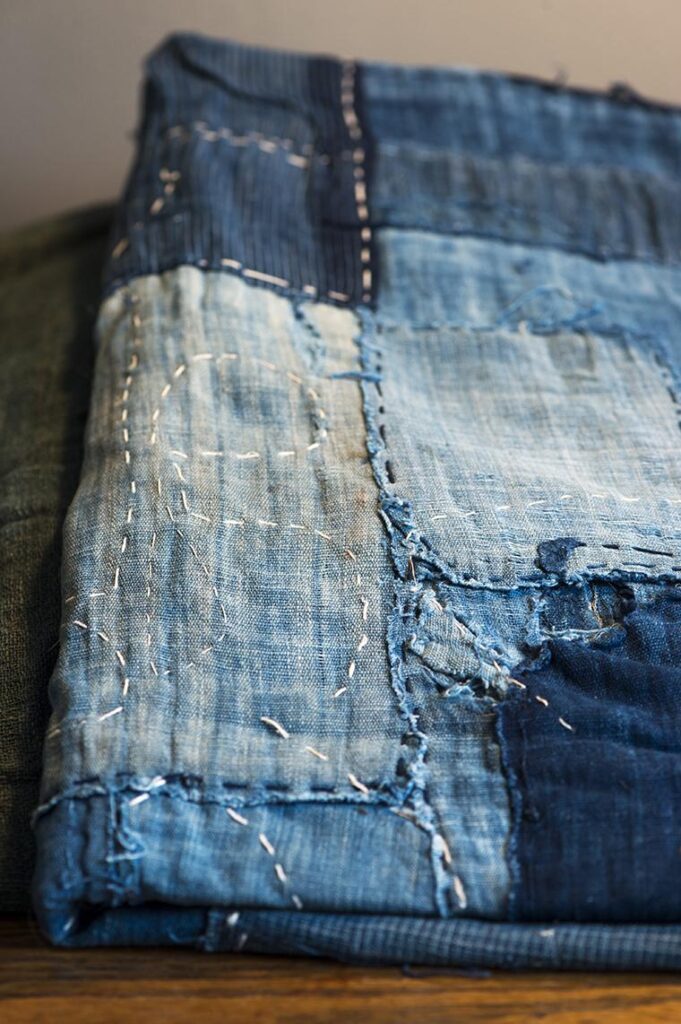
Cotton is the safest and most versatile choice for beginners. It balances softness, strength, and stitchability. Traditional Japanese workwear often evolved into cotton-based repair pieces, making cotton one of the most recognizable boro materials today. Cotton allows easy stitch penetration while maintaining enough strength to support patch layering.
Cotton is flexible, making it ideal for repetitive running stitches. It also handles washing well, which matters because repaired garments continue to be worn. Medium-weight cotton offers enough stability without creating hand strain.
Best cotton applications:
- Jacket repairs
- Denim patching
- Tote bag reinforcement
- Decorative wall pieces
- Wearable visible mending
Benefits of cotton:
- Beginner-friendly
- Affordable
- Easy to source
- Strong but soft
- Ages beautifully
Avoid overly thin cotton because it tears easily under repeated reinforcement. Medium or heavyweight cotton gives better results and longer repair life.
Should You Use New or Old Fabric for Boro?
Boro was traditionally built from old fabric, not new fabric. Old garments carried wear patterns, softness, and history, which made repairs feel organic. Modern beginners often use new fabric because it is easier to control, cleaner, and structurally stronger. Both choices work, but they create different results.
Old fabric creates softer patch blending and authentic aging texture. New fabric provides stronger support and more predictable stitching.
Choose old fabric if you want:
- authenticity
- softness
- faded texture
- natural wear character
Choose new fabric if you want:
- cleaner repair
- stronger structure
- easier patch cutting
- longer durability
A strong beginner strategy is combining both—old fabric for visible patches and new fabric for structural backing.
Linen and Hemp: Traditional and Textured Choices
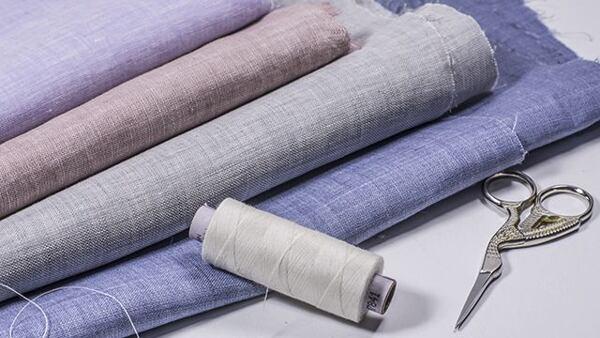
Linen and hemp offer stronger historical authenticity. Before cotton became widely accessible, Japanese rural households used hemp as a durable textile base. Linen behaves similarly and provides beautiful texture for visible mending. These fabrics create a rougher, older-looking repair aesthetic that many modern boro artists seek.
Linen has stronger texture lines, making stitches stand out naturally. Hemp is highly durable and extremely long-lasting. Both fabrics age beautifully and develop softness over time. However, both are harder to stitch through compared to cotton.
Best uses:
- Historical reproductions
- Decorative panels
- Rustic visible mending
- Art-based textile work
Advantages:
- Strong durability
- Better aging
- Rich texture
- Authentic feel
Challenges:
- More needle resistance
- Less forgiving for beginners
- Harder sourcing
If your goal is authentic texture and aged appearance, linen and hemp are excellent choices. If your goal is learning comfort, start with cotton first.
Turn to our expert analysis for a Step by Step Guide on How to do Boro Stitching, for a much pleasant experience while honing your skill.
Traditional Boro Fabric Colors and Why They Matter
Color plays a major role in boro identity. Traditional boro textiles often used indigo because indigo-dyed fabric was common in Japanese workwear. Over time, repeated repairs created layered shades of blue, grey, and faded white.
These layered tones became part of the visual language of boro.
Traditional color choices:
- indigo blue
- faded blue
- natural white
- grey
- earth brown
Indigo remains the strongest traditional color because white stitching creates strong contrast against it. This contrast makes the repair visible, which is central to boro philosophy.
Modern boro can use any color, but traditional tones preserve historical authenticity.
Fabrics to Avoid for Boro Stitching
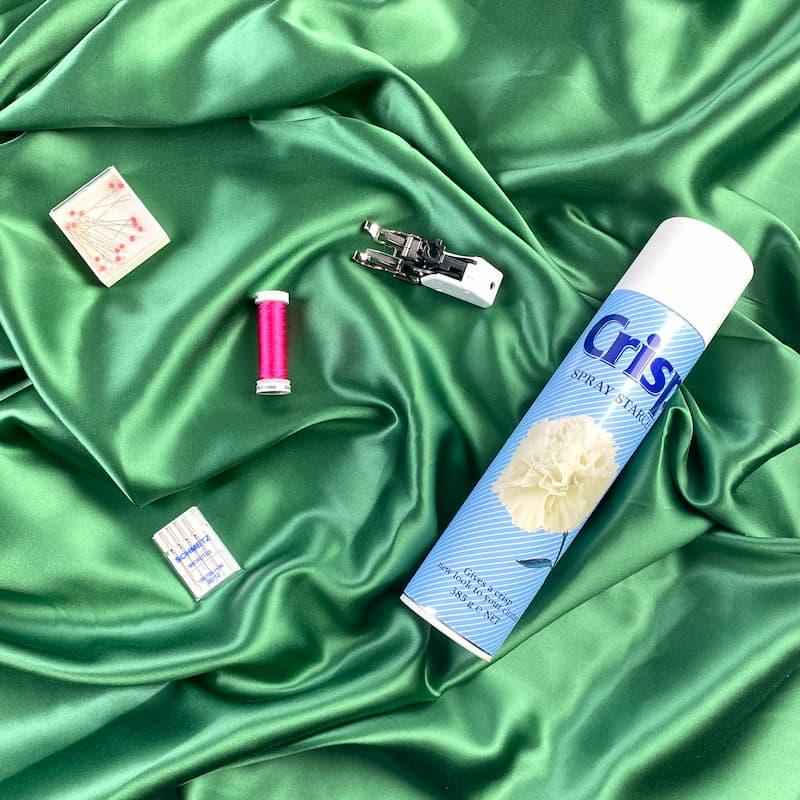
Not every fabric works for boro. Some materials create constant problems. Stretch fabrics distort tension, synthetic fabrics resist aging patterns, and overly thick materials exhaust the hands. Boro depends on visible consistency, and unstable fabrics break that consistency.
Stretch fabrics like jersey move too much under tension. This creates uneven stitch spacing and unpredictable patch movement. Synthetic materials like polyester can feel slippery, making alignment difficult.
Avoid these:
- Jersey knit
- Spandex blends
- Stretch denim
- Polyester satin
- Thick canvas (for beginners)
Why avoid them:
- Hard tension control
- Uneven stitch lines
- Reduced durability
- Poor aging texture
- Difficult patch stability
Beginners improve faster by removing unnecessary material difficulty. Boro should teach rhythm and structure—not constant correction.
How to Test Fabric Before Starting Boro
Before starting a boro project, test your fabric. A simple hand test can reveal whether the material will behave well under stitching. This saves time and prevents poor repair outcomes.
Basic fabric tests:
Fold test:
- fold the fabric to feel thickness
Puncture test:
- push the needle through to test resistance
Stretch test:
- check unwanted elasticity
Fray test:
- pull edges slightly to see thread behavior
A good boro fabric should feel stable, flexible, and easy to puncture without distortion. These quick tests improve material decisions and reduce beginner frustration.
Best Thread for Boro Stitching
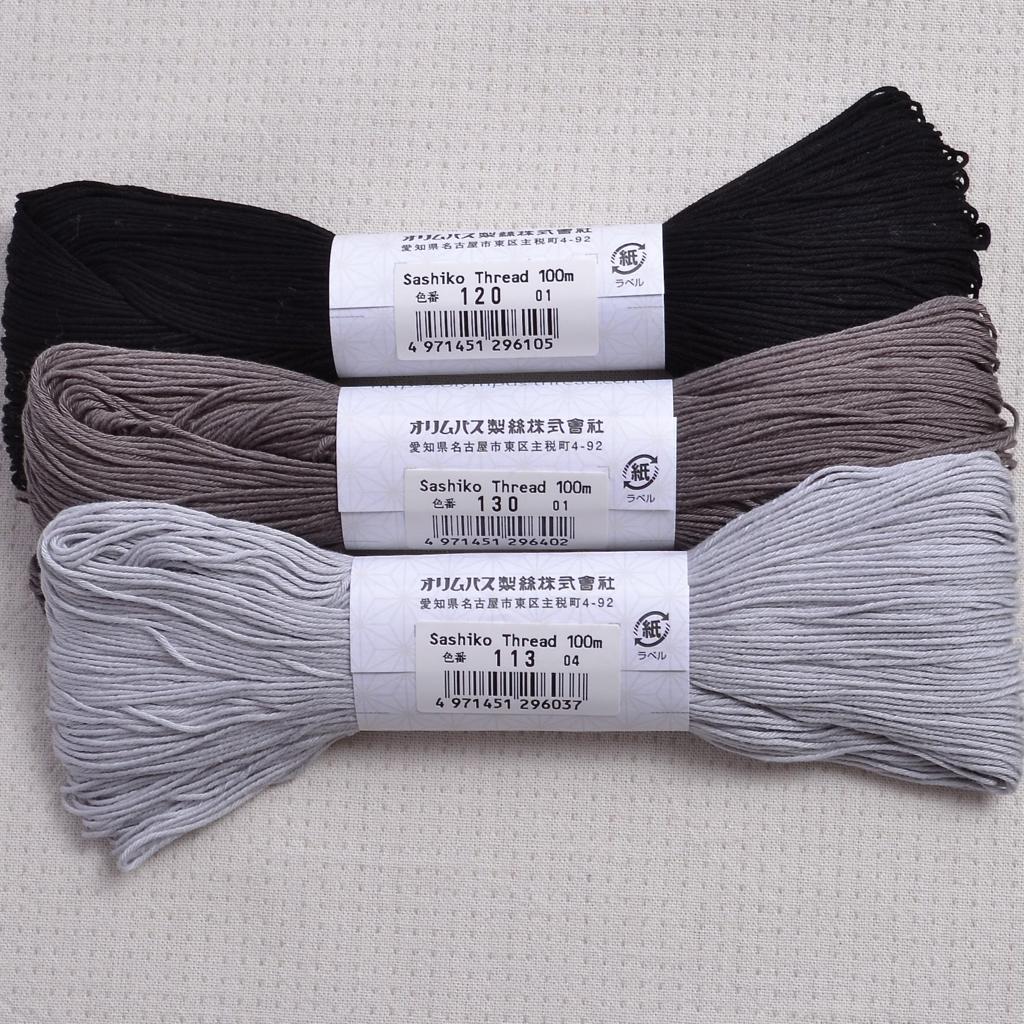
Thread is the visual identity of boro. Unlike invisible repair methods, boro celebrates visible stitching. This means thread thickness, texture, and strength directly affect the finished look. The thread should be strong enough for repeated tension and visible enough to define the repair.
Sashiko thread is the best option because it was designed for repetitive hand stitching. It is thicker than standard sewing thread and stronger under pull tension. It creates the iconic boro stitch appearance.
Good thread qualities:
- Strong tensile strength
- Visible thickness
- Smooth glide
- Minimal tangling
- Durable fibers
Best thread options:
- Sashiko thread
- Perle cotton
- Embroidery floss
- Thick quilting thread
Thread changes the personality of your repair. Thick thread feels bold. Thin thread feels subtle. Choose based on repair purpose.
How Thick Should Boro Thread Be?
Thread thickness changes the entire personality of boro stitching. Thin thread creates subtle repair lines, while thick thread creates strong visible contrast. The best thread thickness depends on your goal—repair strength or decorative emphasis.
For structural boro repair, medium-thick sashiko thread creates the best balance between strength and stitch visibility. For decorative stitching, thicker thread creates stronger visual impact.
Simple thread thickness guide:
- Thin thread: subtle stitching
- Medium thread: balanced repair and design
- Thick thread: bold decorative boro
- Layered thick thread: textured art effect
If the thread feels too thin compared to your fabric, the stitches may visually disappear. If too thick, the fabric may pucker. Matching thread weight to fabric weight creates smoother results.
Sashiko Thread vs Embroidery Floss vs Perle Cotton
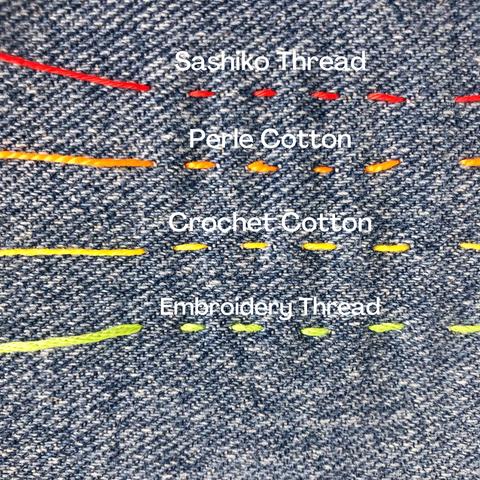
Sashiko thread remains the strongest overall choice. It is designed specifically for running stitch techniques. The fibers stay consistent, and the thread remains durable over repeated pull-through motion.
Embroidery floss is more accessible, but it separates into strands, which can weaken under stress. Perle cotton is stronger and offers a similar visual thickness, making it a good alternative.
Comparison:
Sashiko Thread
Best for:
- Authentic boro
- Structural repairs
- Long-term durability
Strengths:
- Strong
- Thick
- Traditional
Perle Cotton
Best for:
- Decorative work
- Artistic repairs
Strengths:
- Visible texture
- Smooth finish
Embroidery Floss
Best for:
- Practice work
- Small decorative patches
Weaknesses:
- Less durable
- More tangling
Choose sashiko thread when repair strength matters most.
Refer to out expert comparison of Boro vs Sashiko to outlines the key differences between the two.
Best Needles for Boro Stitching
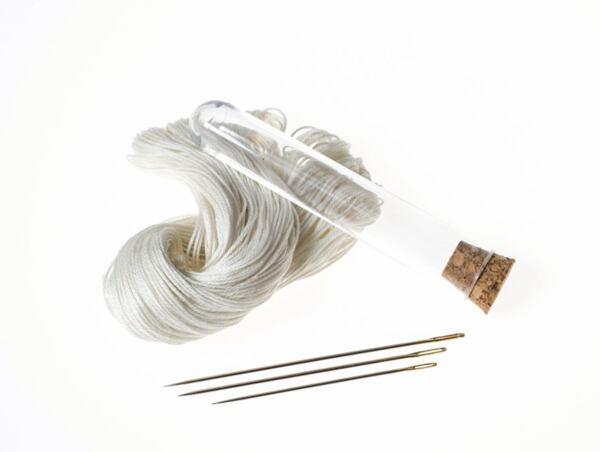
Needles affect speed, comfort, and stitch flow. Boro uses repetitive running stitches, so the ideal needle should allow multiple stitch loading before pulling through. Longer needles make this easier.
Sashiko needles are designed for this exact purpose. They are longer, smoother, and stronger than standard hand-sewing needles. Their larger eye also supports thicker thread.
Best needle types:
- Sashiko needles
- Darning needles
- Embroidery needles
Needle qualities to prioritize:
- Smooth shaft
- Long body
- Strong steel
- Large eye
- Sharp point
A poor needle creates resistance. Resistance slows rhythm. Boro stitching depends on rhythm.
Why Long Needles Work Better for Boro Stitching
Needle length matters more than most beginners realize. Boro stitching relies heavily on repeated running stitches, and longer needles improve speed and rhythm because they allow multiple stitches to be loaded before pulling through.
Short needles force frequent pulling, which slows down the stitching flow. Long sashiko needles reduce interruptions and create smoother hand movement.
Benefits of long needles:
- faster stitching rhythm
- less hand fatigue
- easier stitch consistency
- better line control
- smoother patch stitching
Traditional sashiko and boro stitching developed around efficient repetitive motion. That efficiency starts with the right needle length
Choosing the Right Needle Size for Your Fabric
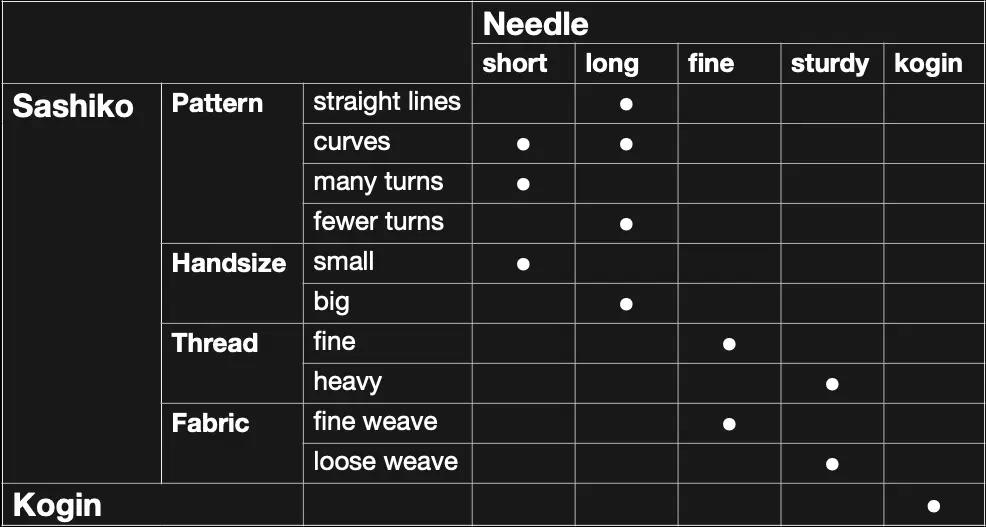
Needle size should match both thread and fabric thickness. If the needle is too small, thick thread struggles through the eye. If the needle is too large, it leaves visible damage.
General needle rules:
Light cotton:
- Thin sashiko needle
Medium cotton:
- Standard sashiko needle
Linen:
- Medium-long needle
Denim:
- Heavy-duty sashiko needle
Needle matching tips:
- Thick thread needs larger eye
- Thick fabric needs stronger needle
- Thin fabric needs smaller needle
- Multiple layers need stronger steel
Needle compatibility improves efficiency. The smoother your needle passes through layers, the cleaner your stitches become.
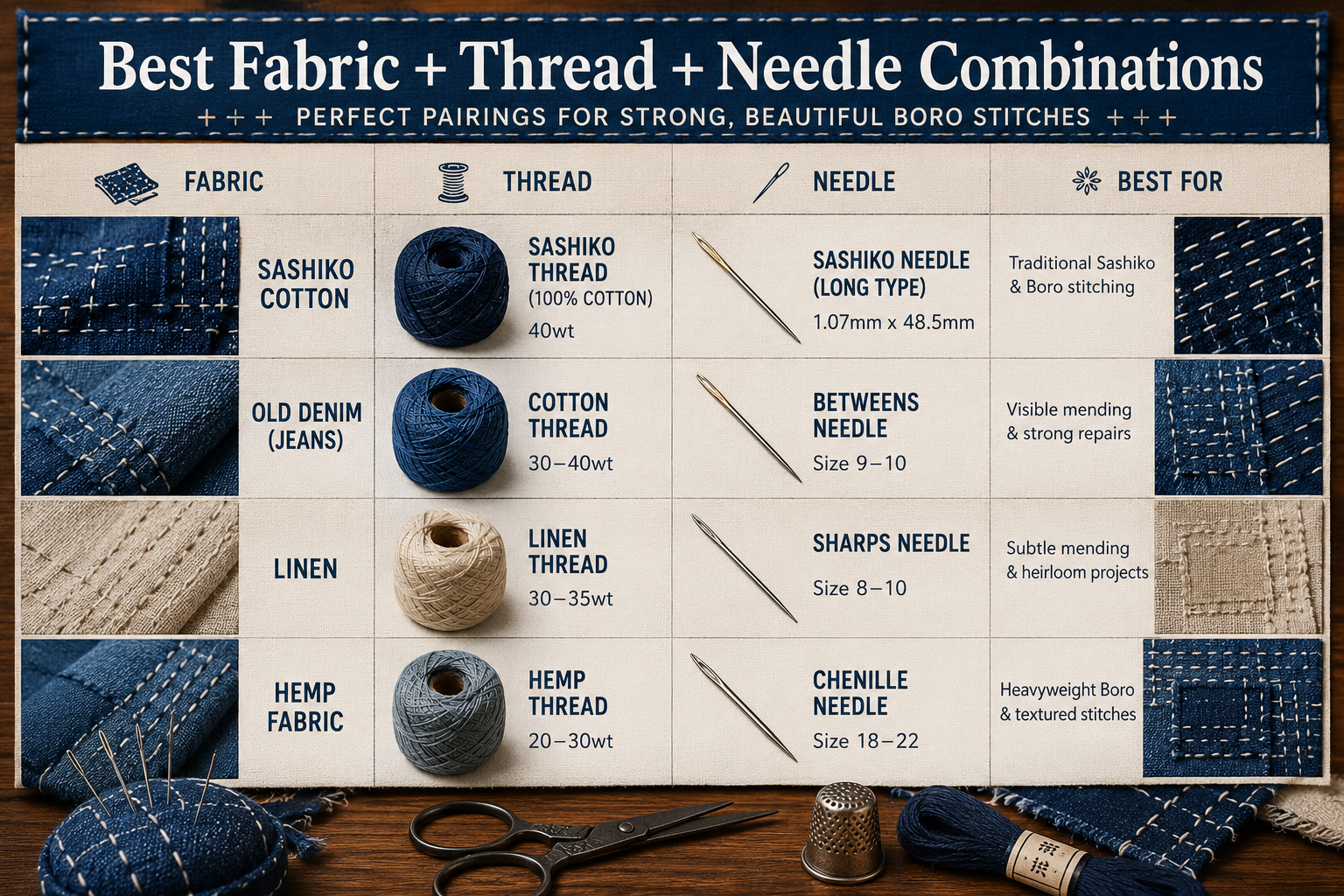
Best Fabric + Thread + Needle Combinations
The best results happen when materials work together. A strong thread with weak fabric creates tearing. A heavy fabric with weak needles creates frustration. Balance matters.
Best beginner combination:
Fabric:
- Medium cotton
Thread:
- Sashiko thread
Needle:
- Standard sashiko needle
Best visible mending combination:
Fabric:
- Light denim
Thread:
- Perle cotton
Needle:
- Long sashiko needle
Best decorative combination:
Fabric:
- Linen
Thread:
- Embroidery floss
Needle:
- Embroidery needle
Combination strategy:
- Match strength to strength
- Match thickness to thickness
- Match style to purpose
Material harmony makes boro smoother, faster, and visually stronger.
Best Materials for Different Boro Projects
Not all boro projects need the same material setup. Repairing jeans is very different from making decorative wall art. Matching materials to the project creates better durability and better aesthetics.
For jeans:
- light denim
- sashiko thread
- heavy sashiko needle
For jackets:
- cotton twill
- sashiko thread
- standard sashiko needle
For tote bags:
- canvas
- thick perle cotton
- long darning needle
For art panels:
- linen
- decorative thread
- embroidery needle
Always match material strength to the purpose of the repair. Structural projects need durability. Decorative projects need flexibility.
Beginner Material Mistakes to Avoid
Most beginners struggle because of preventable material mistakes. The wrong setup makes boro feel harder than it actually is. Good materials remove resistance and improve learning speed.
Common mistakes:
- Using regular sewing thread
- Using tiny needles
- Choosing stretch fabric
- Using too many thick layers
- Pulling thread too tightly
- Ignoring fabric grain
Why these mistakes hurt:
- Broken thread
- Bent needles
- Uneven stitches
- Distorted fabric
- Hand fatigue
Start simple.
The goal is learning control, stitch rhythm, and patch placement. Complexity can come later. Material quality improves confidence, and confidence improves stitching.
How Boro Materials Change After Washing
Washing changes boro materials more than many beginners expect. Natural fabrics like cotton and linen often shrink slightly after the first wash. Threads may tighten, and patch edges may fray more visibly. This is not a flaw—it is part of the boro aesthetic.
Pre-washing fabric helps reduce future shrinkage and creates more predictable stitching behavior. It also softens the fibers, making hand stitching easier.
Things that change after washing:
- fabric softness increases
- stitches tighten slightly
- indigo may fade
- patch edges become softer
- texture becomes more natural
Pre-washing both the base fabric and patches creates better long-term stability, especially for wearable projects.
Best Beginner Boro Material Setup
Starting boro does not require a large investment. A simple material kit is enough to learn the fundamentals and build confidence. The goal is comfort, not complexity.
Basic beginner kit:
- medium-weight cotton scraps
- sashiko thread
- sashiko needle
- small scissors
- fabric clips
- thimble
- chalk pencil
- patch scraps
This setup covers almost every beginner repair project. Once you gain experience, you can experiment with linen, hemp, decorative threads, and heavier materials.
Starting simple builds skill faster than starting complicated.
Best Places to Buy Boro Stitching Materials
Finding good materials improves the quality of your stitching experience. While many beginners buy fabric from regular craft stores, better boro materials often come from secondhand textiles or specialized Japanese fabric shops.
Best places to look:
- Japanese textile stores
- sashiko supply shops
- quilting stores
- thrift stores
- vintage markets
- old clothing at home
The best boro fabric often comes from worn garments because the softness and texture are already developed. This makes the repair feel more natural and authentic.
Repurposing old clothing also keeps the spirit of boro alive—repairing, preserving, and extending fabric life.

Final Thoughts: Start with Simplicity, Build with Experience
Boro stitching is built on simplicity. You do not need expensive imported textiles or specialized artisan tools to begin. The philosophy of boro is rooted in reuse, repair, and respect for fabric life. That means your best starting materials may already exist in your home.
Start with cotton.
Use sashiko thread.
Choose a proper sashiko needle.
That simple combination builds skill faster than anything else.
Remember:
- Better materials improve learning
- Simpler setups reduce frustration
- Stronger thread creates stronger repairs
- Correct needles protect your hands
- Natural fabrics age beautifully
Boro is not about perfection.
It is about preservation.
The beauty of boro comes from use, repair, and time. Your material choices shape that journey from the very first stitch.
Start simple, stitch slowly, and let the fabric teach you.
FAQ
Is cotton the best fabric for boro stitching?
Yes. Cotton is the easiest and most versatile fabric for beginners.
Can I use regular sewing thread?
You can, but it is thinner and less durable than sashiko thread.
What needle is best for boro?
Sashiko needles are best because they are longer and stronger.
Can I use denim for boro?
Yes, but lighter denim is easier for beginners.
Is embroidery floss good for boro?
Good for decorative work, but not ideal for heavy repair.
What is the difference between sashiko and boro?
Sashiko is the stitching technique. Boro stitching is the layered repaired textile result.