by Humera Shahzaib | Jul 4, 2026 | Visible Mending
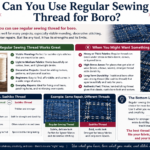
Visible mending benefits clothes that experience repeated friction, thinning fabric, and localized wear while still maintaining strong structural integrity. Denim jeans, wool sweaters, canvas workwear, linen shirts, jackets, and high-quality socks respond especially...
by Humera Shahzaib | Jul 2, 2026 | Boro Projects
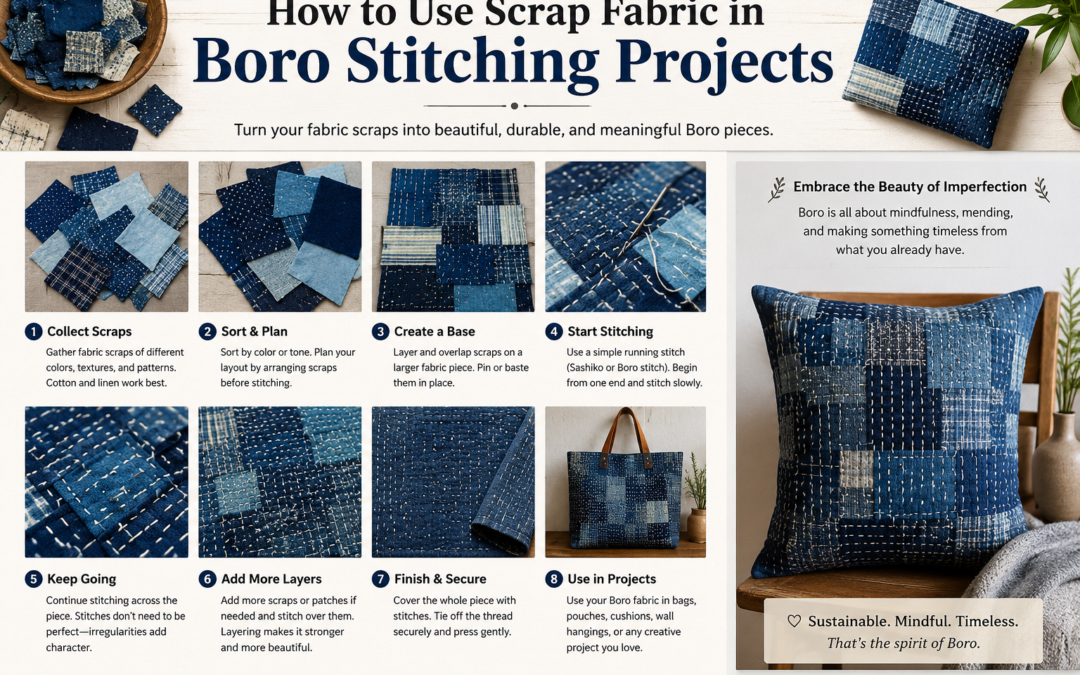
Boro stitching is one of the most practical ways to transform leftover fabric into durable, artistic textile repairs. Originally developed in rural Japan as a survival-based mending method, boro relied heavily on reused cloth fragments layered together through...
by Humera Shahzaib | Jul 2, 2026 | Boro Clothing
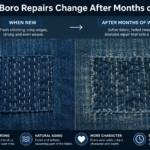
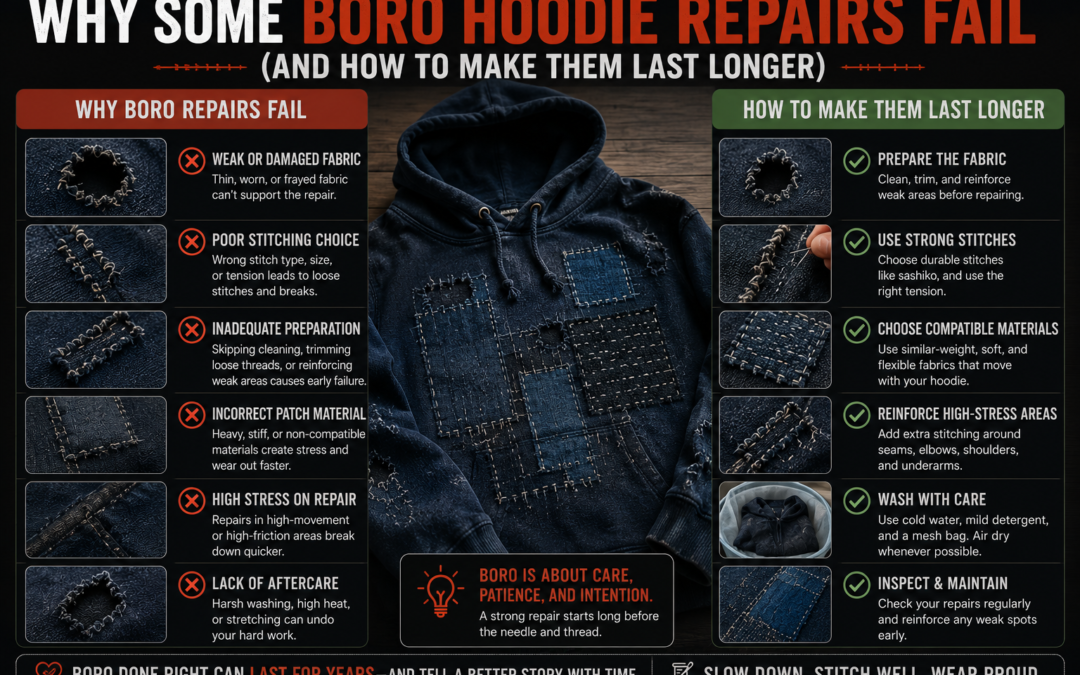
Traditional Boro Repair techniques can make hoodies look beautifully worn while extending their lifespan dramatically. However, not every repair survives long-term wear. Some patches loosen after only a few months, while others tear beside the repaired area or become...
by Humera Shahzaib | Jul 2, 2026 | Boro Projects
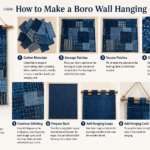
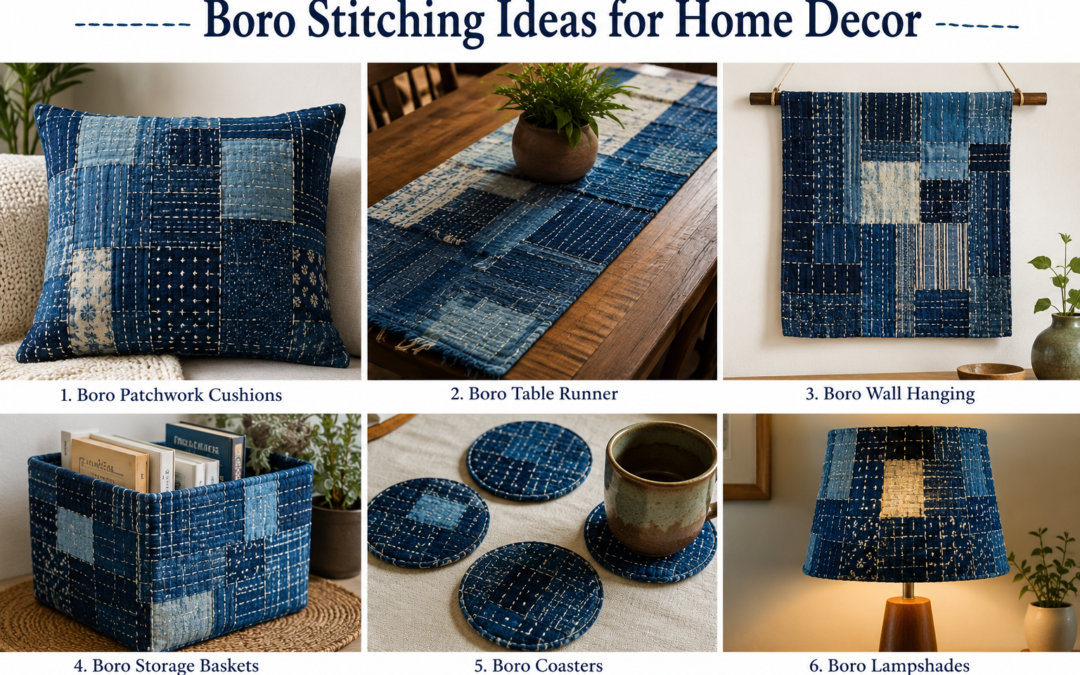
Introduction Boro stitching ideas for home decor combine traditional Japanese textile artistry with modern interior design. Originally developed in rural Japan as a method of extending the life of worn fabrics, boro evolved into a distinctive visual style...
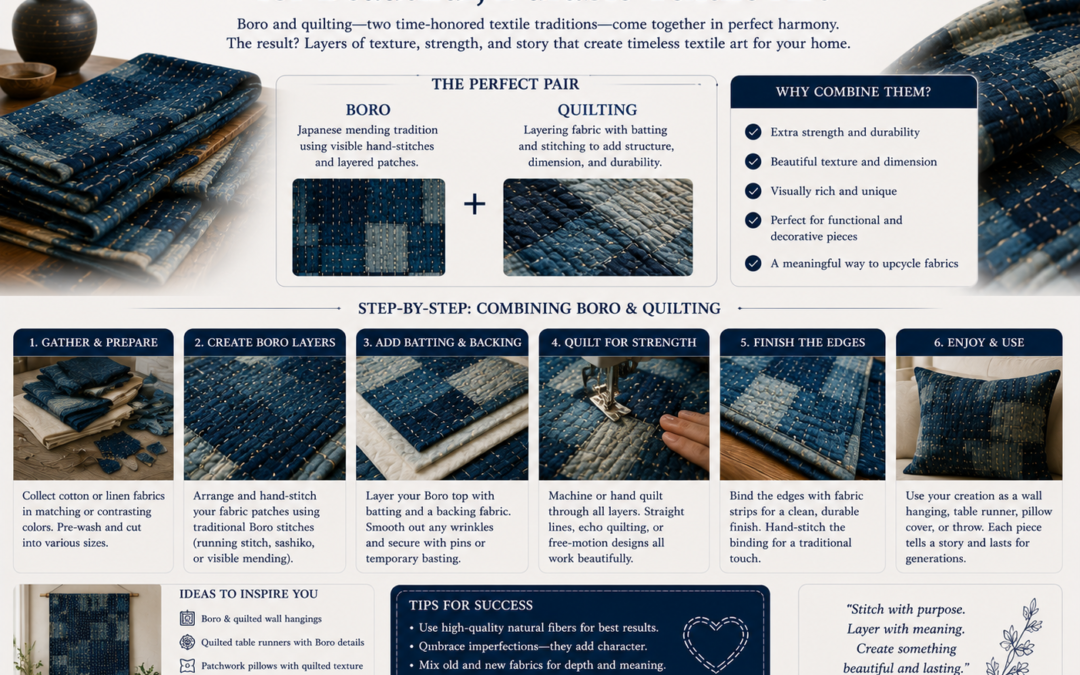
by Humera Shahzaib | Jul 1, 2026 | Boro Projects
Boro and quilting are often treated as separate textile traditions, but they work remarkably well together. Traditional Japanese boro developed as a practical method of extending the life of fabric through patches and visible stitching, while quilting evolved as a...